
Share this Post
Mark your calendars for our annual open house!
Join us for our 2nd Annual Open House & Warehouse Sale on Sunday, April 19th from 10 AM–3 PM at 610 Gateway Center Way, San Diego.
Meet the team behind your favorite seeds, shop the SDSC warehouse for exclusive deals, swap seeds and gardening tips with fellow plant lovers, and enjoy live music and special guest vendors at our fun and festive open house. Our doors open to the public just once a year, so grab your friends and join us for a full day of plants, community, and garden fun.
This is a family-friendly event open to all ages. We recommend hats, sunscreen, and comfortable clothing for enjoying the outdoor festivities. Cash, Venmo, and Card will be accepted for warehouse sale purchases—cash & Venmo preferred.
April 2026
April in San Diego offers one of the best planting windows of the year. Conditions provide steady, moderate heat without the stress of peak summer. This is the ideal time to establish heat-loving crops to ensure vigorous growth, earlier harvests, and resilient plants ready to thrive through the long growing season ahead. It’s officially go-time for warm season planting in Zones 9 & 10!
Aji Amarillo Pepper (Capsicum baccatum)
A treasured Peruvian heirloom known for its vibrant golden-orange color and fruity heat, Aji Amarillo is a culinary standout. Elongated peppers ripen to a brilliant glow and offer a medium spice level balanced with bright, tropical flavor notes. Unlike common hot peppers, this variety delivers both heat and complexity, making it a favorite for fresh salsas, sauces, and drying.
Growing Tips for Zones 9–10
- Start seeds early in spring. We recommend using a seedling heat mat for quick and even germination.
- Plant in full sun with rich, well-drained soil.
- Provide consistent moisture but avoid soggy roots.
- In warmer inland areas, offer light afternoon shade to prevent blossom drop during heat spikes.
- Harvest when fully golden for the best flavor.
Sunshine (Yellow) Tithonia (Tithonia rotundifolia)
Sunshine Tithonia is a bold, sun-loving pollinator magnet that bursts into brilliant yellow blooms atop tall, branching stems. Often called Mexican sunflower, this variety stands out for its intense color, heat tolerance, and ability to attract bees, butterflies, and beneficial insects all season long. Its wild, cheerful presence makes it perfect for cutting gardens and back borders.
Growing Tips for Zones 9–10
- Direct sow in full sun.
- Thrives in lean to moderately fertile soil; avoid over-fertilizing, which can reduce blooms.
- Water regularly until established, then allow soil to dry slightly between waterings.
- Deadhead (remove spent blooms) to encourage continuous flowering.
Turkish Eggplant (Solanum melongena)
Unlike larger eggplants, Turkish varieties are tender, thin-skinned, and perfect for stuffing, roasting, or grilling whole. Their ornamental beauty makes them just as at home in edible landscapes as in vegetable beds.
Growing Tips for Zones 9–10
- Plant in full sun once soil temperatures are consistently warm.
- Space generously (18–24 inches) to promote airflow.
- Provide steady moisture and mulch to protect shallow roots.
- Harvest when fruits are firm and glossy for the best texture.
March 2026
March has arrived in Zones 9 and 10, and this is one of the most important transition months in the garden. Soil temperatures are warming, daylight hours are lengthening, and the risk of frost has largely passed—creating ideal conditions for strong seed germination and steady early growth. March is a shoulder month, meaning that it bridges the gap between warm and cool season growing.
Green Glaze Collard Greens (Brassica oleracea)
A unique heirloom collard known for its smooth, glossy leaves and tolerance to both cold and heat. This variety dates to the late 1820’s where it was a staple across the Southern US. Green Glaze stands out with its bright, almost lacquered appearance and tender texture compared to traditional collards. The leaves are mild, making them ideal for fresh wraps, light sautéing, or traditional slow cooking.
Growing Tips for Zones 9–10:
- Plant in early spring or late fall. While it is a slow bolting variety, leaves will become bitter in the heat of summer.
- Provide consistent moisture to maintain tender leaves.
- Space plants generously (18–24 inches apart) to promote airflow.
- Harvest outer leaves regularly to encourage continuous production.
Ashwagandha (Withania somnifera)
A revered adaptogenic herb long used in traditional Ayurvedic practices, Ashwagandha is as beautiful as it is beneficial. This drought-tolerant plant produces soft green foliage, small bell-shaped flowers, and striking orange-red berries encased in papery husks. Its roots are prized for herbal preparations, making it a rewarding dual-purpose addition to medicinal and ornamental gardens alike.
Growing Tips for Zones 9–10:
- Thrives in full sun and well-drained, sandy or loamy soil.
- Seeds require light to germinate. Sow near the surface of the soil and barely cover.
- Direct sow in early spring; fall sowing is also possible for a winter harvest in mild climates. Considered a tender perennial in Zones 9–10.
- Avoid overwatering—Ashwagandha prefers drier conditions once established.
- Harvest roots 120–150 days after planting, once berries mature and foliage begins to decline.
A note about using Ashwagandha medicinally: As with all medicinal plants, consult a qualified healthcare provider before using Ashwagandha. It is your responsibility to evaluate the safety of this plant in relation to your individual health conditions and any medications you may be taking. You assume all risks associated with its use and accept full responsibility for your decisions.
They Might Be Giants Sunflower (Helianthus annuus)
True to their name, these towering sunflowers command attention with impressive 12–15” stalks and massive, 12–14” golden blooms. As a striking garden focal point, these flowers attract pollinators and provide abundant seeds for birds—or roasting. Perfect for living fences, dramatic backdrops, or children’s gardening projects.
Growing Tips for Zones 9–10:
- Direct sow in full sun; early spring planting yields the tallest plants. Seeds should be sown ½ inch deep and spaced at least 18” apart.
- Provide deep, infrequent watering to encourage strong root systems.
- Stake in windy areas to support their towering height.
- Enrich soil with compost prior to planting but avoid excessive nitrogen to prevent weak stems.
Reminder
As of February 1, 2026, all billing cycles begin on the 1st of the month. Seeds ship monthly as always, typically arriving during the first week of each month.
February 2026
If you haven’t been thinking about your warm-season garden, now is the time! Tomatoes take up to 8 weeks from seed to transplant, making February the perfect month to continue starting your seeds.
Principe Borghese Tomato
Principe Borghese is an Italian heirloom famously known for sun dried tomatoes! These determinate paste tomatoes produce 1–2 oz plum shaped fruits used for sun drying and sauces. 70–75 days to maturity after transplant.
Dwarf Eagle Smiley Tomato
Dwarf Eagle Smiley is a bright, golden-yellow cherry tomato with outstanding flavor. While most cherry tomatoes produce long, indeterminate vines, this tidy variety stays around 5 feet tall, making it easier to manage without sacrificing productivity. One-ounce fruits grow in clusters of 8–10 tomatoes—perfect in salads and for snacking! Approx. 60 days to maturity after transplant.
What Is a Dwarf Tomato?
Dwarf tomato seeds produce compact, easy-to-manage plants that still deliver abundant, high-quality harvests—many with full-sized fruit. These plants require little to no staking and offer big yields in a smaller footprint, making them ideal for containers, urban gardens, and even commercial growers looking to reduce labor.
Thanks to breeding efforts like the Dwarf Tomato Project, new varieties continue to emerge. The dwarf tomato seeds we carry are the all-stars from hundreds we’ve trialed over the years—and now you get to grow and trial your own.
Growing Tomatoes
Sow tomato seeds ¼” deep into seed starting soil. Tomatoes germinate very slowly in cold soil. When you starting seeds early in the season, you may want to use a seedling heat mat to ensure the soil is warm enough for quick and even germination. Soil temperature should be 75–90°F. Seedlings can be planted into the garden when they are about 8 weeks old or 5–6” tall and stocky. Outdoor soil temperatures should be above 60 degrees for transplanting.
Review our free Tomato eBook for a comprehensive guide to growing tomatoes!
Les Oreilles du Diable Lettuce
We may have tomatoes on our mind, but there’s still plenty of time to enjoy growing lettuce! This French heirloom is an incredibly unique variety. Also known as Devil’s Ears, you’ll quickly see why once its long, shiny, reddish-green, pointy Deer Tongue–shaped leaves begin to unfurl.
Despite its unusual appearance, this lettuce is loved for its nutty flavor, lack of bitterness, and slow-to-bolt nature. It’s ornamental, too—forming large, loose-leaf heads that spread into a distinctive rosette, making it a beautiful addition to any edible landscape.
As days warm up, having garden shade cloth on hand can help extend your lettuce season and keep plants thriving longer.
New to growing lettuce? Learn How to Grow Lettuce from Seed in our Garden Wisdom Blog.
Subscription Billing Cycle Update
Effective February 1, 2026, all billing cycles will begin on the 1st of the month. Nothing else about your subscription is changing. Seeds will continue to ship monthly as usual, typically arriving in your mailbox during the first week of each month.
January 2026
Fun fact, did you know that the “weeds” you see in San Diego are related to a Japanese delicacy?
It’s true! Those beautiful yellow freeway flowers are the flowers of a tender and healthy green eaten in many Japanese dishes.
Rare & Unique Japanese Green — Garland Serrated Leaf Chrysanthemum
Garland Serrated Leaf Chrysanthemum (Glebionis coronaria var. garland serrated leaf) is a rare heirloom green prized for its bold flavor and aromatic, deeply serrated dark-green leaves. Though originally from the Mediterranean, this exceptional variety became a staple in Japanese cuisine, where it’s valued for its high vitamin B content and mineral richness. Compared to round-leaf types, the serrated leaf delivers a more intense, savory flavor that deepens as the plant matures.
This cool-season annual is remarkably easy to grow and thrives in partial shade, producing abundant side shoots for repeated harvests. Ready in just 40–50 days, it’s a high-yielding specialty green perfect for growers seeking something truly different. Non-GMO, heirloom, and hard to find; this edible chrysanthemum brings both culinary history and standout flavor to your garden.
Planting Instructions
- When to Plant: Early Spring or Fall; prefers cool weather
- Sun: Partial shade to full sun in cooler climates
- Soil: Well-drained, fertile soil with consistent moisture
- Sowing: Direct sow seeds ¼” deep; thin to 6–8″ apart
- Water: Keep soil evenly moist, not waterlogged
- Harvest: Begin cutting tender leaves at 40–50 days; harvest often to encourage side shoots. Best eaten as small tender greens. If you let it get large and woody, it’s not too tasty, but then you can let it flower—harvest the flowers for Chrysanthemum flower tea!
Ideal for garden beds, raised beds, and containers. A rare, productive green that rewards even beginner gardeners with exceptional flavor.
Rare Heirloom from Japan — Kyoto Kujo Negi Bunching Onion
A true culinary treasure, Kyoto Kujo Negi is a rare Japanese heirloom and one of Kyoto’s revered Kyo yasai—traditional regional vegetables grown for centuries. Ready in about 80 days, this non-bulbing bunching onion (Allium fistulosum) is prized for its elegant 24″ stalks that fade from crisp white to light and deep green.
Unlike common green onions, Kujo Negi offers a uniquely tender texture with a mild, refined flavor favored in authentic Japanese cuisine. While technically perennial, it’s often grown as an annual or biennial and thrives in garden beds, raised beds, containers, or greenhouses.
Open-pollinated, Non-GMO, and increasingly hard to find, this heirloom variety brings history, beauty, and exceptional taste straight to your garden—perfect for growers seeking something truly rare.
Planting Instructions
- When to Plant: Plant from fall through early spring (September–March). Avoid peak summer heat unless you are providing afternoon shade.
- Sun: Full sun to partial shade
- Soil: Loose, well-drained soil enriched with compost (pH 6.0–7.0)
- Sowing: Sow seeds ¼” deep, about 1″ apart. Thin seedlings to 2–3″ apart once established.
- Water: Keep soil consistently moist during germination and growth; don’t let it fully dry out.
- Harvest: Begin harvesting at 8–12″ tall. Cut above the soil line or pull whole plants—many will regrow.
Zone Tip: Bunching onions thrive in mild winters and grow well in beds, raised beds, or containers year-round with summer shade.
Pineapple Tomato
Our Organic Pineapple Tomato is a true showstopper in the summer garden. Ready in 85–90 days from transplant, this warm-season, open-pollinated heirloom produces massive 1–2 lb. slicing tomatoes with golden-yellow shoulders melting into vibrant red-orange flesh. Grown on vigorous indeterminate vines, these Kentucky-born beauties deliver a juicy, sweet flavor with low acidity—perfect for fresh slices straight off the vine. Ideal for garden beds, raised beds, or greenhouses.
Pineapple Tomatoes may take a little longer to mature, but they’ll reward your patience with continuous harvests right up to the first frost. Organic, Non-GMO, and absolutely worth the wait. Perfect for planting in early spring for the extended growing seasons common in Zones 9–10.
Seed Starting Tips for Tomatoes (Zones 9–10)
- Start Seeds Early: Sow indoors 6–8 weeks before your last frost or start seeds indoors in December–January for early spring transplanting.
- Warm Soil = Success: Tomatoes germinate best at 70–85°F. Check out our YouTube Video about how to get better germination rates using a seedling heat mat.
- Use Bright Light: Provide strong light immediately after sprouting to prevent leggy seedlings.
- Pot Up Early: Transplant seedlings into larger pots once they have true leaves to build strong roots.
- Harden Off: Gradually expose plants to outdoor conditions for 7–10 days before transplanting.
- Time Your Transplant: Move plants outdoors once night temps stay above 50°F.
- Plan for Heat: For summer crops, choose heat-tolerant varieties and provide afternoon shade inland.
December 2025
In Zones 9 and 10, December gardening is all about taking advantage of mild winter weather. While this time of year is often associated with leafy greens, the varieties below prove you can plant a whole rainbow in your winter garden!
Golden Helios Radish (Raphanus sativus)
Named for Helios, the Greek god of the sun, this vibrant radish shines with golden-yellow skin and crisp white flesh. Harvest the roots small to best enjoy their mild, sweet, peppery flavor.
Sow seeds ¼–½” deep, about 4″ apart, and enjoy this quick, cheerful crop in just 25–30 days.
Parisian Carrot (Daucus carota subsp. sativus)
You may not be jetting off to France for the holidays, but Parisian carrots bring a little European charm right to your garden. Originating in Paris around 1850, this heirloom was introduced to U.S. gardeners in 1861. What makes Parisian carrots unique is their small, round shape. This makes them ideal for growing in shallow, rocky, or heavy soils because their roots do not have far to travel. These bright orange carrots might just be the cutest carrots you’ll ever grow!
Sow seeds ¼” deep, and thin seedlings 2” apart; they’ll be ready in 55+ days. Learn more about Growing Carrots from Seed in our Garden Wisdom Blog.
Lauren’s Grape Poppy (Papaver somniferum)
Lauren’s Grape is a garden showstopper with deep purple-violet blooms reaching up to 5″ across. Plants grow 3–5′ tall, attracting bees and offering stunning cut flowers. After blooming, seed pods produce edible poppy seeds — just like our other breadseed poppies: Organic Elka White and Organic Lavendar.
Sow seeds into well-worked, debris-free soil. Because poppy seeds need light to germinate, sow them near the soil surface and cover them with no more than 1/8″ of soil. Keep the soil consistently moist during germination and early growth. Seeds sprout in 10–20+ days; after which, you’ll want to thin seedlings 10–12” apart for best results. Flowers bloom in about 100 days. Poppies establish best in cool weather; plant now for early spring blooms!
November 2025
November brings mild temperatures and shorter days, making it the perfect time to plant cool season crops and get your garden ready for winter. This month’s seed selection features two cool season favorites: carrots and peas! November is also an ideal time to sow flowers that will establish roots now and reward you with vibrant spring and summer blooms.
Pelleted Carrot Mix (Daucus carota var. Sativus)
Experience the ease and efficiency of planting with our Pelleted Carrot Mix. Each seed is coated with organic clay, making them larger, easier to handle, and perfect for precise sowing. This pelleting process reduces seed waste, eliminates the need for thinning, and ensures uniform germination. Plant in-ground or grow in containers. This mix includes pelleted Romance, Miami, and Bolero carrot seeds.
Growing Tips:
- Planting Depth: Sow seeds approximately 1/4 inch deep in loose, well-prepared soil.
- Spacing: Plant seeds 2 inches apart to allow for proper root development.
- Watering: Keep the soil consistently moist during germination and early growth stages.
- Harvesting: Depending on the variety, carrots can be harvested in 60–80 days.
First time sowing pelleted seed? Read our blog to learn more!
Taiwan Sugar Pea (Pisum sativum)
A standout among edible-pod peas, Taiwan Sugar Pea is prized for its crisp, ultra-sweet flavor and prolific yields. Tender green pods are best picked young, when they’re flat and glossy — perfect for stir-fries, salads, or snacking straight from the vine. Ready in 60–65 days. Climbing plants reach 3–5 feet and produce over a long season, thriving in mild to warm weather where many peas struggle. Originally bred in Taiwan, this variety delivers exceptional sweetness, heat tolerance, and garden reliability. Also known as ‘The Queen of the Orient.”
Dancing Pincushion Scabiosa Mix (Scabiosa japonica)
Tiny blooms, big charm! Each flower is a soft pincushion that “dances” with butterflies and invites bees to visit. Perfect for sunny borders, cottage gardens, and fresh or dried floral arrangements. These cheerful perennials bloom all summer into early fall in a rainbow of colors.
- Height: 12–24 inches
- Planting Time: Fall to spring; establishes best in cool weather
- Sun: Full sun to partial shade
- Soil: Well-drained, moderately fertile soil
- Uses: Borders, cottage gardens, cutting gardens, pollinator gardens
Our custom Dancing Pincushion Scabiosa Mix brings color, movement, and life to your garden! Scabiosa make a great cut flower too!
October 2025
Don’t let the warm afternoons fool you — the cool growing season is underway for Zones 9 and 10! Starting your cool-weather crops now gives them time to grow before daylight hours shorten. Waiting too long means slower growth later, so go ahead and get those seeds started! This month’s lineup is full of crops that love these conditions.
Thurinus Lettuce
While we offer several heat-tolerant varieties of lettuce, the cool season is prime time for growing lettuce in Zones 9 and 10. This gorgeous dark red romaine will look beautiful in your salad bowl. It’s mildly flavored with a classic romaine crunch! Thurinus lettuce matures in about 56 days.
Batavarian Crystal Lettuce
This loose-leaf lettuce is a favorite for salads, sandwiches, and wraps. It’s heat-tolerant, making it a great choice for an early fall start — and can also handle a light frost to take you all the way through the growing season! Batavarian Crystal lettuce fully matures in about 50 days. It is a “cut-and-come” lettuce meaning you can harvest baby leaves and the plant will continue to grow.
Growing Lettuce
Lettuce grows better in cool temperatures. When grown in the cooler months it is sweeter and less likely to bolt and become bitter. Succession plant lettuce every 2–3 weeks for a continuous supply of salad greens.
New to growing lettuce? Learn How to Grow Lettuce from Seed in our Garden Wisdom Blog.
German Chamomile (Matricaria chamomilla)
This cheerful white, daisy-like flower is both edible and medicinal. It has been used for medicinal purposes all the way back to early Egyptian times! Start your seeds this month for blooms by mid-summer. We recommend starting chamomile indoors — seedlings are ready to transplant after about 4–6 weeks. Gently press seeds into the soil (don’t cover them — they need light to germinate). Chamomile easily reseeds, so choose a sunny garden spot where it can return and thrive year after year.
September 2025
Planting with Purpose: Three Unique Seeds to Sow This September in Zones 9/10
As the heat of summer begins to soften and the days grow just a little shorter, gardeners in Zones 9 and 10 know that September is the start of something special. While much of the country is winding down their gardens, here in our mild climate, fall is the perfect time to sow seeds that thrive in cool weather.
This month, we’re highlighting three unique varieties that not only grow beautifully in our region but also carry rich histories and stories worth telling: **our exclusive Poppy Mix, the historic Crystal Onion, and striking Red Stem Dandelion Greens.**
A Wild Legacy: SDSC Poppy Mix
Poppies have enchanted gardeners and poets for centuries. In California, they’re more than just flowers — they’re part of our cultural identity. The California Poppy became our state flower in 1903, and Indigenous peoples long before that valued them for food, medicine, and natural dyes.
Our exclusive Poppy Mix celebrates this legacy with a dazzling blend of colors that thrive in our drought-prone landscapes. Once established, poppies are hardy, self-seeding, and irresistibly attractive to pollinators.
Why sow in September? By planting poppies in the fall, you mirror nature’s rhythm. Cooler nights and the first rains help them settle in, ensuring a breathtaking bloom show from late winter into spring — just when your garden needs a burst of joy.
How to Plant Poppies
- Direct sowing is possible, but germination can be low in hot, dry weather.
- For best results, start seeds in trays and transplant out once established.
- Keep soil consistently moist during germination.
- Use shade cloth if needed to protect tender seedlings.
A Southern Staple: Crystal Onion
The story of the Crystal Onion begins in the late 1800s, when it was grown in Texas and Bermuda. Its mild, crisp bulbs quickly became a favorite for pickling and fresh eating. Known also as “White Bermuda” or “Crystal Wax,” this short-day onion cemented itself as a Southern classic, appearing in both humble home gardens and bustling markets.
Unlike long-day onions that require extended summer daylight, **Crystal Onions are perfectly adapted to the shorter days of southern climates — making them an ideal choice for Zones 9 and 10.
Why sow in September? Onions demand patience. By planting them now, you give them the cool months to grow strong and healthy before they bulb up in spring. Come late spring, you’ll be rewarded with sweet, tender onions ready for your table — and maybe even your pickle jars.
How to Plant Onions
- Like poppies, onion seeds can be direct sown, but tray starting ensures stronger germination
- Onions are extremely easy to transplant.
- Use a high-quality seed-starting mix and keep trays evenly moist.
Transplant seedlings into the garden once they’re sturdy and the weather cools.
From “Weed” to Heirloom: Red Stem Dandelion Greens
When you hear “dandelion,” you might picture stubborn weeds in your lawn. But not all dandelions are alike. This Italian heirloom variety, with its striking red stems and jagged leaves, is both beautiful and delicious.
For centuries, dandelions have been valued as food and medicine. European settlers carried them to the Americas in the 1600s, not as weeds, but as useful greens. Rich in vitamins A, C, and K, dandelions were often eaten as a spring tonic after long winters. In Mediterranean kitchens, they remain a cherished bitter green, perfect in sautés, salads, and stews.
Why sow in September? Cooler weather brings out the best in dandelions. The leaves grow tender and flavorful, without the intense bitterness that can come with heat. In Zones 9/10, planting now means months of nutrient-packed greens right through winter and spring.
How to Plant Dandelion Greens:
- Can be direct sown or started in trays — trays give you more control and higher germination.
Starting in trays: - Use high-quality seed starting mix.
Provide partial shade or use shade cloth to avoid scorching.
Bottom water for best results. - Transplant seedlings into the garden under shade cloth and water heavily to establish.
Direct sowing:
- Use shade cloth for protection during hot spells.
- Water 2–3 times a day until seedlings are established.
Why These Three?
Together, these varieties represent more than just seeds:
Beauty from poppies that paint the garden in color.
Tradition from onions with deep Southern roots, perfectly adapted to our climate.
Health from dandelions that transform a “weed” into a powerhouse green.
Planting them in September sets your fall garden up for success — and connects you to the history and culture that each seed carries.
So this month, sow with intention. Plant seeds that feed your table, nourish your health, and remind you of the living history that grows right here in your garden.
August 2025
We know it’s super hot right now, but it’s time to start thinking about the cool season if we’re going to take advantage of the shorter days and cooler nights that are coming our way. Here are three seeds we’ve sent you that are perfect for starting in late August. By planting now, you’ll have strong seedlings ready to go into the garden by mid‑September, where they will thrive as the days grow shorter. Remember, the happiest gardens in Zones 9/10 use 40% shade cloth during this time of year. If you still need some for your garden, check your inbox—we’ve emailed you a coupon code to save on shade cloth.
Rosette Tatsoi
Tatsoi, also known as rosette tatsoi, is a centuries‑old Asian green long treasured in Japan and China. Its glossy, spoon‑shaped leaves form a beautiful, low‑growing rosette that looks as good in the garden as it tastes in the kitchen. With a nutty, spinach‑like flavor, tatsoi is versatile enough to be eaten fresh in salads or cooked in stir‑fries and soups. For gardeners in Zones 9 and 10, August is the perfect time to sow it directly in the ground under shade cloth or start it in trays, since it thrives in the shorter days coming our way. It matures quickly—ready in just 25 days for baby greens and about 45 days for full rosettes—making it a reliable and rewarding fall and winter crop.
Winner Cabbage
‘Winner’ cabbage is an early‑maturing, dependable variety that produces compact, tight heads with a crisp, sweet flavor. While cabbage has been cultivated for over two thousand years, ‘Winner’ is a modern variety bred for disease resistance and reliability, making it a favorite among gardeners who want consistent results. In warm climates, cabbages often struggle in spring but perform beautifully when planted in late summer or early fall. Sowing now means you can enjoy tender, flavorful cabbages through the cooler months, with heads that hold well in the garden for an extended harvest window.
Ramos Santana Broccoli
Broccoli ‘Ramos Santana’ combines productivity with excellent flavor. With roots tracing back to the Mediterranean, where the Romans first cultivated early forms of broccoli, this variety stands out for its ability to keep producing after the first harvest. Along with a large, flavorful main head, it sends out generous side shoots that continue to produce smaller heads for weeks or even months. In Zones 9 and 10, broccoli thrives when planted in late summer for fall and winter harvests, thanks to the region’s mild winters. Planting in August ensures a steady supply of fresh, homegrown broccoli just when cool‑season vegetables are most welcome.
Together, these three crops—tatsoi, ‘Winner’ cabbage, and ‘Ramos Santana’ broccoli—bring history, beauty, and productivity to your fall garden. Plant them now and enjoy a continuous harvest as the season cools.
July 2025
July is a hot time of year for Zones 9/10 and can be a hard time to be in the garden. Hopefully, if you have been planting your Seed of the Month Seeds each month, you should have an array of flowers, veggies and herbs to enjoy. Even though July is a hard time to start seeds for the garden, it is not a time to give up. Succession planting every month is the key to a productive garden.
This month’s Seed of the Month Club includes the prime plants to plant this month, which are Marigolds, Zinnias, and Squash. You may have already planted these crops earlier in the eyar, but they are likely starting to slow down and having replacements for them is a key skill!
Durango French Marigold:
Durango French Marigolds are a standout in the garden with their bold, vibrant blooms and tidy, upright growth. These beauties are part of the reliable Durango series, prized for their consistent flower size and bloom timing. Perfect for sunny garden beds or containers, they bring nonstop color and thrive even in the heat—making them an easy, eye-catching favorite for any Southern California gardener.
Red and Yellow Peruvian Zinnias
Peruvian Zinnias are a must-have for any pollinator-friendly garden. Their sweet, daisy-like blooms are wide open and irresistible to bees and butterflies. Native to hot, dry regions from Arizona to South America, these zinnias thrive in heat and poor soil, making them perfect for Southern California gardens. With a long bloom season and stems ideal for cutting, they’re just as happy in a bouquet as they are spilling out of a container or brightening up a dry landscape. Easy, drought-tolerant, and full of charm—what’s not to love?
Stellar Scalloped Squash
This amazing squash came out of breeding projects with our friends in Oregon. A fabulous squash with great flavor, it’s a great candidate for succession planting now for more squash this fall.
June 2025
June is the unofficial start to summer, and temperatures around Zone 9/10 are rising quickly. If you have not planted your warm-season seeds, now is the time to do so!
This month’s Seed of the Month Club includes the prime plants to plant this month, which are pumpkins, cucumbers (gherkins), and tomatoes.
Blue Harvest Pumpkin:
This Australian variety has excellent flesh quality and is a must-have in the garden, both for beauty and eating! A fun color and shape make it a star for displaying come fall.
Mexican Sour Gherkin
Back by popular demand, this super fun cucumber is sometimes called baby mouse melon because it looks like what a mouse would eat! So cute, tangy, and fun for kids. Because these seeds are small, we recommend that you start them in starter pots and plant them out.
Chocolate Tomato
Did you know that tomatoes that have a darker color referred to as “chocolate,” are healthier for you? This beautiful tomato can be started from seed now in June, so that you have backup plants when your early spring tomato plants start to putter out.
May 2025
Sweet Bell Pepper, Mini Yellow
If you’ve ever failed at growing bell peppers, don’t feel bad – you’re definitely not alone!
Bell peppers can be some of the trickiest plants to grow in Zone 9 and 10 gardens, especially without the right seasonal tips from the pros. Here’s what you need to know to make your bell pepper growing season a success:
- Bell peppers (and all peppers) need full sun to thrive.
- Water at the base of the plant and avoid overhead watering.
- Planting your seeds now gives your peppers time to thrive in the warmest part of summer, when they can produce beautiful, sweet bells.
- Mini bell peppers are a great option for beginner gardeners – they mature faster, so you don’t have to wait as long to harvest. That means fewer chances for insects to cause damage and less risk of sun scald on your plants.
- By using our 40% shade cloth during the hottest part of the year, you‘ll protect your bell Peppers from getting sun scald – one of the most common issues for pepper growers in Zones 9 and 10.
With these tips, we know you will be successful at growing beautiful bell peppers that you can enjoy right from your garden.
Eggplant, Louisiana Green
We’ve included this new Eggplant for you to try because of its ability to grow in the hot southern weather of Louisiana. Our hope was to find another eggplant that was not only flavorful, but also beautiful. One that we can proudly add to our offering!
Sunflower, Italian White
For those of you who follow us on YouTube, you know that we’ve been sharing more videos on flowers lately. For years, my opinion of flowers was that they were a waste of precious garden space, and I focused almost solely on vegetables and herbs. But after 15 years of growing, I’ve realized that gardens that are more diverse and have a wide range of flowers, herbs, and vegetables are among some of the healthiest and happiest gardens I’ve seen.
It’s no surprise, really. Gardens that have flowers attract so many different pollinators, invite beneficial insects, and bring a balance that keeps the entire ecosystem thriving! That’s why you’ve seen me sometimes include flowers in your Seed of the Month subscription – it’s my way of gently encouraging you to grow more flowers each year.
These white Italian sunflowers are a perfect example. With their creamy-colored petals, they make for stunning bouquets and pair so beautifully with whatever else you have growing in your garden.
Sunflowers thrive when you plant now in Zones 9 and 10, and they’re easy to succession plant throughout most of the year. Let them bloom and go to seed, and you’ll see them volunteer in the garden next year!
April 2025
Happy spring everyone! It’s finally that magical time where the soil is warm, microorganisms are busy working, the daylight hours are getting long, and you can see your garden is growing faster than previous months!
As you are looking at April, make sure you plan to start even more warm season crops to help you plant succession this summer. Your seed of the month has some fun selections that you can grow each with a mini lesson of its own. A big takeaway from this month is you are starting your warm season staples – Tomatoes, Melons and Beans!
Our VIP members will get one of the offerings this month: one tomato, one bean, and one melon!
Specialty Tomatoes
Each of you will get a different tomato that we produced very limited seed of this past summer. Instead of putting these on sale on our website or selling out through all that we produced, we wanted to give YOU, our VIP growers, the chance to try these awesome and super rare varieties. They include:
Caitydid Dwarf Tomato
Indeterminate, dwarf (tree-type) plants with regular leaf rugose foliage produces lots of 3-8 oz., smooth, oblate, bi-colored, yellow tomatoes with red swirls outside, and heavy red coloration in the flesh. The flavor is well balanced and delicious.
History: Developed 2007-2016 by the members of the Dwarf Tomato Project from a cross between New Big Dwarf and Mortgage Lifter, Pesta Strain by Patrina Nuske Small in 2007. Great production on the Ramona farm during our 2023 season.
OR
Blazing Dwarf Beauty
This is the first orange dwarf release. Vigorous, mid-season, potato leaf, indeterminate, dwarf plants produce 3-8 oz., medium size, oblate fruit with a deep orange inside and out. Delicious flavor with plenty of sweetness and a pleasurable acidic bite.
History: Developed in the 2006-2013 by the members of the Dwarf Tomato Project, chosen San Diego Seeds as a prolific and tasty tomato!
OR
Snakebite, Dwarf Tomato
This tomato is incredible and the winner of our 2024 tomato tasting! We know that it’s listed on the website for regular customers to purchase, but we REALLLY want you to try it. It’s like nothing we have grown before. A small plant bursting with the most delectable red tomatoes, great for slicing or making sauce. We promise you will love it!
Why are you starting tomatoes in April? Because it’s the EASIEST time to start them. Yes, you can start them as early as February, but they grow painfully slow due to the colder temperatures and are more susceptible to dampening off and other cool weather ailments. By starting them in April, you can start them right outside in a protected area and if you keep the soil moist (use bottom watering tray) you will see quick and easy germination.
Beans
Shironata Mame Sword Bean
This fast-growing, tropical vine bean produces glossy green pods with a ridged edge, best picked young when they’re crisp and tender. Their flavor is similar to snap beans, with a texture like snow peas. Perfect for stir-fries! These plants grow big and LOVE to climb, so be sure to give them a trellis. Plus, their blooms are a pollinator favorite!
OR
Bush Cowpea
This hardy, drought-tolerant bush bean thrives in warm climates like our Zones 9 and 10. Produces slender and tender bean pods with an earthy, rich flavor. Unlike climbing bean varieties, these bush beans stay compact, perfect for small gardens! Try these beans fresh, shelled or even dried for soups and stews.
Melon
Klecky Sweet Watermelon Seeds
Suitable for growing in garden plots. Kleckley’s Sweet was also called “Monte Cristo” watermelon or “The Wonder Melon”. Touted in many catalogs as “The finest and sweetest melon for home use.” Kleckley’s oblong fruits can reach 25-40 pounds! If growing in containers or raised beds, let the watermelons flow over the side of the bed to save planting space for other crops!
March 2025
We’re finally in the full swing of spring! Here are some important things you should watch for in your garden:
- Flowers on your cool season crops – this means it’s time to pull them! However, let flowering herbs like cilantro, parsley, and dill stay for the butterflies – they LOVE it!
- Warm-season crops are starting to take off! With soil and air temperatures warming up, your warm-season crops should be growing faster and thrive.
- You still have time for a few last cool season crops like leafy greens, but they’ll need a little extra care. You will want to give them a bit more watering, some shade, and harvest quickly once they’re ready.
Lettuce, Tennis Ball
This will likely be the last leafy green that you plant out this year unless you are gardening in shaded areas or a super-coastal community. As the temperatures get higher and higher, it’s harder to keep leafy greens happy.
This lettuce is an exception – it thrives this time of year because of its tight growth habit which helps reduce wilting. Originally from Feral Farms, this lettuce has been a star in late-season growing and heat tolerance.
As always, give lettuce a little bit of shade as the spring goes on and water deeply.
Wing Bean
This exciting, new, and rare bean is something so fun to try! An early-maturing and delicious winged bean from Japan, gifted to us from a friend’s grandparents. This climbing bean is known for its unique, winged pods that are edible at various stages of development.
The vines are lush and tropical looking, with large lavender flowers and unique pods. The entire plant is edible, including the leaves, flowers, tubers, and seeds! Make sure you plant them on a trellis or structure that will support their climbing habit.
Watermelon, Charleston Grey
This massive watermelon is known as a “picnic” watermelon because of its large size, making it perfect for sharing at a picnic! Developed by renowned watermelon breeder Charles Andrus of the USDA in Charleston, SC, this open-pollinated melon was the first to be resistant to both Fusarium wilt and anthracnose disease.
These watermelon seeds are best directly sown in well-watered beds. The sprawling vines can be trained to grow outside the beds, helping save space in the garden.
February 2025
February in Zones 9 and 10 marks an exciting shift in the garden – the days are getting longer, and spring is coming! This month and next month will mark the end of planting cool season crops like your brassicas. With longer daylight hours, crops like broccoli, cabbage, and cauliflower will bolt and flower quickly if planted any later than this month. We know that those on the coast may want to push this limit, but it will likely lead to unhappy crops. That’s why we recommend this month be the last month you start seeds of broccoli, cauliflower, and cabbage. If you just MUST have another round of brassicas past February- plant using a transplant not from seed.
Since this is the last month, you can reliably plant seeds of cauliflower, we are super excited to include a truly unique Indian Cauliflower in this month’s selection!
Cauliflower Seeds, Durgesh
This cauliflower is a vigorous grower that thrives in even less-than-ideal conditions. This was chosen specifically for this time of the year to allow you to extend your cool season garden with one last brassica planting. Here are some key tips to ensure success when planting this seed:
- Plant this seed ASAP- DON’T wait; the season for brassicas is coming to an end! Typically, they’re started indoors and transplanted into the garden. The plant will grow very quickly this time of year because of the lengthening of the daylight hours.
- Spritz with water often. Aphids will increase in numbers as the season goes on.
- Harvest AS SOON AS YOU HAVE A HEAD. If you wait too long, the cauliflower will start to flower.
Lettuce, Coastal Star
Another fun and promising lettuce from the breeder Frank Morton, with great potential to be a star favorite for Zone 9 and 10 growers. It’s been a long-time favorite at Johnny’s Selected Seeds too, and for good reason- this variety produces large, heavy, romaine-like heads that are heat-tolerant and great for succession planting.
Spinach, Viroflay
We are ALWAYS testing new varieties of spinach, especially since it can be a difficult crop for growers in Zones 9 and 10. We’re hopeful this variety will someday be a great addition to our offerings. This spinach produces large, smooth, deep-green leaves that can grow up to 10 inches long. It’s a fast-growing variety, especially popular for fall planting. A gourmet French heirloom that was developed before 1866.
January 2025
It’s still cold outside, but most gardeners are dreaming of warm spring days in the garden. Don’t let that excitement rush you into planting warm-season crops too soon! Now is still the perfect time to focus on cool-season crops, like these amazing, rare finds!
Arugula, Astro
If you love the bold flavor of arugula, this variety is one of the most intensely flavored options available. As the temperatures warm, the flavor is even more pronounced, taking on an almost “wasabi-like” flavor! Direct sow these seeds now and harvest often for the best results.
Check out this video for tips on getting the most out of your late-winter sown arugula. This method can also be used for other leafy greens as well!
https://www.youtube.com/watch?v=gwGc0ORW-PQ
Celery, Nan Ling Chinese
Most people think of celery as the bland, watery stalks we buy at the store – but this one is NOT that! This intensely flavored celery is a “cutting” type, which means it produces very small stems that can be cut and used as aromatic in dishes. It‘s not ideal for fresh eating, but it adds a powerful flavor boost to soups, stir-fries, and other recipes. It’s especially popular in Chinese cuisine, and the leaves make a great addition to many dishes! In Zones 9 and 10, this variety can easily become a perennial. The flowers of this plant are loved by pollinators, making it a great choice for an herb garden or long-term spot in your garden. It also thrives in herb boxes!
Broccoli, Kailaan Chinese
These tender, flavorful stalks bring a blend of asparagus and broccoli with a hint of sweetness. Perfect for late winter and early spring, this incredible plant from China is a breeze to grow and offers a broccoli-like experience (with a twist!). The vibrant blue-green leaves are glossy and reminiscent of kale, but even tastier, while the broccoli-like florets bring a nutty, buttery flavor. We love it because it does not form a central head, making it easier for beginning gardeners to grow and enjoy. Harvest the florets often and regularly for the best results!
December 2024
Welcome to December! It’s a quiet time in the garden. With cold temperatures and reduced sunlight hours, growth in the garden may slow, but your seedling shouldn’t. Continue seeding cool-season crops to ensure they’re ready to plant as you start to harvest the first rounds of your earlier cool-season crops.
Some of the best and easiest crops to sow right now are herbs and lettuce. This month, we have some exciting new varieties for you to try!
Lettuce, Winter Destiny
A beautiful green bred originally by our friend Frank Mortan, adapted by Feral Farms, and then trialed on our farm. A tender and sweet lettuce that can be enjoyed all season long. Can be used as a “cut-and-come-again” crop.
Lettuce, Red Flamingo
Red romaine with open head, savoy leaves. Cold tolerance, good for low maintenance gardens and particularly good in zones 9/10. These seeds were sourced from the late Dr. Alan Kapuler of Peace Seeds in Corvallis, Oregon and we hope his legacy lives on in your garden.
Golden Jubilee Hyssop
We believe hyssop might be one of the most underrated herbs out there. It’s fragrant, easy to grow, packed with medicinal benefits, and makes a fantastic filler for bouquets – all while being a magnet for pollinators! This new variety is especially exciting, and we can’t wait to hear what you think about it!
Also known as purple giant hyssop, this highly ornamental medicinal herb is native to East Asia. Its chartreuse-golden foliage and rich fragrance make it an award-winning perennial. Adaptable and easy to grow, it thrives in Zones 5-10 and is perfect for pollinator gardens, attracting bees, butterflies, and even goldfinches, who love its seeds.
This plant is not just beautiful; it offers practical uses, too! It’s a key herb in Traditional Chinese Medicine, known for soothing digestion and supporting overall wellness. The anise-flavored tea made from its leaves is both delicious and calming.
It’s a showstopper in any perennial border with vibrant purple blooms that will last all summer. Plants average 2 feet tall and bring life to the garden with their fragrance, beauty, and pollinator appeal.
It is one of the most beautiful and fragrant additions to your garden! Give it a try and let us know how it grows.
Sow seeds on the surface of a high-quality seed-starting mix for optimal germination rates.
November 2024
Cool-weather has finally arrived for many of Zones 9 and 10, and we’re celebrating the change of seasons! By now, you should have several rounds of cool-season vegetables planted. Continue planting successive rounds each month to keep your garden thriving through spring.
A few things to remember: days are shorter, the sun sits lower in the sky (creating more shadows), and nighttime temperatures are dropping. This means growth will slow down—so don’t stress. Instead, enjoy the break and use this time to plan and prepare for the seasons ahead!
If you don’t have our calendar yet, it’s the most essential tool for any grower in Zones 9 and 10. Check it out here!
Now for the fun part—what’s in this month’s club offerings?
Cilantro, Santo
This isn’t your grandma’s cilantro! Santo is an incredibly flavorful, bolt-tolerant variety, prized for its growth habit and rich taste. Here are some key tips for sowing cilantro seeds:
- Cilantro is a cool-season plant that can be grown from fall to late spring in Zones 9 and 10. You can extend its growing season with shade cloth or row cover, as cilantro naturally starts to flower and go to seed as days lengthen.
- When direct-sowing, we cover the seeds with row cover to retain moisture and promote quick germination.
Chard, Prismatic
This is one of the most beautiful chards. This rare seed was grown in small batches from our friends at Feral farms and we are so happy to have a small amount to offer to you!
Chard is the gift that keeps on giving, happily growing year-round in your garden but tasting best in cool weather. Here’s what you need to know:
- Rainbow chard is a cool-season crop that thrives in cool, moist conditions and can often be grown year-round in Zones 9 and 10.
- You can direct sow or transplant. Right now, when we direct sow, we cover with row cover to retain moisture and support quick germination.
Poppy Fluffy Ruffles
This is one of the most beautiful chards. This rare seed was grown in small batches from our friends at Feral farms and we are so happy to have a small amount to offer to you!
- Direct Sow or Transplant: On our farm, we prefer transplanting poppies to maximize seed use since they’re small, and a failed direct sowing can lead to seed loss.
- Starting Seeds Indoors: Poppy seeds are tiny and should be sown near the soil surface. For indoor starts, use a high-quality seed-starting mix, sprinkle seeds on well-moistened soil, and cover with 1/8″ of finely sifted soil. Expect germination within 10–20+ days.
- Direct Sowing: For direct sowing, use well-prepared, debris-free soil. Cover seeds with 1/8″ of finely sifted soil, keeping it moist until seedlings emerge. Thin seedlings to at least 12″ apart.
- Transplanting: Move seedlings outdoors once they reach 4″ in height.
October 2024
Cool season has fully arrived! Even though the days may still be hot, it’s officially cool season for Zones 9 and 10. Make sure to start your cool season crops now to take full advantage of the longer daylight hours. If you wait until December or January, the days will be too short for much to grow. Start your seeds now! This month’s collection features all cool season crops.
Spinach Malabar Vining Supreme
If you have trouble growing traditional spinach, several alternative varieties are easier and a bit more vigorous in their growth. Malabar spinach is one of them! This super fun, vining plant produces loads of delicious, nutritious greens for your salad plate. Whether fresh or cooked, one plant can provide you and your family with an abundance of organic greens.
Purple Italian Globe Artichoke
It’s time to start seeds for this amazing perennial edible! Artichokes are a star in the Zone 9/10 garden, being both ornamental and edible. With love and care, they will grow for many seasons. This Italian heirloom variety is stunningly beautiful with its light purple coloring.
Black Spanish Round Radish
Radishes are a direct-sown crop that thrive in the cool season. Sow them now and continue succession planting through late spring for a constant supply. These quick-to-mature radishes are fun for kids to plant and harvest! We’re excited for you to try this unique variety – let us know what you think!
September 2024
Fall in Zones 9 and 10 can be a confusing time. It’s still hot and dry, yet the nights are getting cooler, and the season is changing, even if it’s hard to tell.
The top three crops you should focus on this fall are:
These crops are often planted at the wrong time of the year. We’ve included them in your Seed of the Month Program to make it easier for you!
Poppy, After Midnight
This is a very special poppy! An incredibly rare and unique poppy from our friends at Feral farms. These deep purple blooms are not easy to find elsewhere! Plant it like any other poppy this fall and let reseed in your garden for continuous plants season after season.
Onion, Australian Brown
[Australian heirloom, pre-1897] Spanish variety. This onion is wonderfully solid and medium-sized with a rounded shape. It features white, mildly flavored flesh and a thick, deep amber-brown skin. Known for its excellent keeping qualities, it’s one of the top choices for long-term storage.
Onion, Round Tropea
Renowned in Italy as the Cipolla di Tropea, this onion is cultivated on the clay cliffs that slope down from Mount Poro. The Greeks introduced it to Calabria after discovering it through the Assyrians and Babylonians. These deep purple, round, and occasionally elongated bulbs offer an exceptional sweetness and a delightful aroma, paired with a light and pleasant flavor. Highly prized by gourmet chefs, the Cipolla di Tropea can be baked, boiled, or used as a filling in omelets. In Tropea, it is also transformed into a delightful onion marmalade.
August 2024
The HEAT is here for Zones 9 and 10. This means two things!
- You need to protect your crops with shade cloth. Additional watering and heavy mulching around your plants will make a huge difference!
- It’s time to start thinking about fall crops!
In your August membership, we have included a-fall planted flower, a warm season crop and a cool season seed. Here’s what you need to know.
Tony Scavo Basil
This basil is an Italian heirloom that has been around for a long time and prized for its pungent flavor. You may be asking why we are planting basil this late in the season.
Halo Hollyhock
Hollyhocks are amazing plants that will happily reseed in your garden. Make sure you plant them in full sun. This particular variety is a stunning deep purple. Hollyhocks are perennials in Zone 9 and 10, so plant them in a spot in the garden where they will be happy for several seasons.
Violetta Italia Cauliflower
This beautiful purple cauliflower is stunning and tasty raw or cooked. Cauliflowers, like all brassicas, are best started from seed in late August and planted out before the fall slows garden growth.
Check out our many videos on starting cool season crops on our YouTube page.
July 2024
Welcome to the core of your growing season! Now that the days are longer and your typical daytime temperatures are warming up, you can expect quick growth in your plants.
A few key tips for your summer garden this year:
- Add mulch if you have not already.
- Water thoroughly at the base of the plant.
- Plant at appropriate spacing to ensure good air circulation (helps with powdery mildew).
- Your plants are working hard right now – it’s time to fertilize!
This month’s Seed of The Month offerings include some fun things that we are excited for you to try!
Watermelon Katanya
This tasty and rare watermelon is about to give you TONS of melons in the garden. Make sure you plant in an area that the plant can sprawl. If it’s in a garden box, we recommend letting it flow onto the ground and into an area where you are not planting. On the farm we let it grow onto some black plastic to keep the weeds down.
Aurelie’s Verde Amaranth
If you don’t know amaranth personally, it’s time you two became best friends! Amaranth is a ROCKSTAR in Zones 9 and 10 gardens. It grows with little oversight and is a flower, an edible green, a cover crop and stunning addition to any pollinator garden. This variety is so pretty and used as a cut flower at our friends’ flower farm (and in our garden too!). Let it go to seed and watch the birds come to your garden.
Squash Zeppelin
This is one of the sweetest winter squashes out there. For new gardeners, please note that ‘winter squashes’ only mean you store them and eat them in the winter. They are summer-grown and happiest in a full sun and a warm spot. This variety comes from our friends over at Wild Garden Seed. Frank Morton has been selecting these seeds for sugar and size for many years. Grow these alongside your watermelon, letting them spill out of your raised bed or container into an area of the garden they can dominate.
June 2024
Summer has started, and it’s time to start your direct sowing. There are numerous reasons why we primarily direct sow in June:
- Soil is warm enough for successful sowing.
- Most crops in June are larger seeds and can easily be directly sown.
- While you still have the option to start these crops indoors, we are far enough into the warm season that it’s not necessary! Direct sowing will save you time and energy that you can (always) use elsewhere
- You’re SOOO busy this time of the year, why not just put the seeds in the ground and call it good?
Here are some of our favorite tips on direct seeding that will help you get started!
Planting Seeds for Beginners Article
Directly Sowing Seeds in 5 Simple Steps Video
What to Plant in June for Zone 9 and 10 Gardeners Video
If you’re looking for the cliff notes version:
- Make sure your soil is adequately moist (water more than you think!)
- Add compost and mix it thoroughly. Be sure to water it again before planting!
- Use row cover to trap in moisture and help germination process.
- Check daily (even more than 1 times a day if it’s extra hot!). Direct sowing success depends on keeping soil moist the whole time your seeds are germinating. If they dry out at all, they will die during the germination process.
Your Rare and Fun Seed of the Month Crops this month include:
Mac and Cheese Pumpkins
A large and delicious pumpkin we found at a seed swap in Oregon, this pumpkin is similar to Cinderella in size and shape but boasts a more “cheesy” flavor, which can be used to make all kinds of vegan dishes. Hence the name!
If you are limited in space, plant it on the edge of your garden and allow it to spill over. Only the root system needs to be in the garden bed; the rest of the plant can grow throughout the garden and not take up precious garden space.
Fordhook Squash
This squash was introduced by W. Atlee Burpee in 1890! A vining plant, it produces tons of squashes with a mildly sweet flavor and grainy texture. It can be used for baking, roasting, steaming, sautéing, soups, and even pie. This is the zucchini that will give you so much, you will have to give it to neighbors, mailmen, ANYONE.
Snows Fancy Cuke
This fun cucumber came to us from our friends at Feral Farms and was selected from Chicago Pickling by J. C. Snow of the famous Snow Pickle Farm in Rockford, IL. It was listed circa 1905 by Vaughan Seed House of Chicago. Once a very popular small pickle, it can still be used to make fancy pickles today! Dark green, short and slender (5” long by 1 ½” wide), with thin flesh.
May 2024
Welcome to the busiest month of planting for the whole year! May is an incredible month because we’re in the full swing of the warm season! You will notice warmer daytime temperatures which also means warmer soil. That indicates the beginning of “direct sowing season” has started! Although you can direct sow year-round, May and June are great months to direct sow crops like cucumbers, corn, and beans. You will see we have a great sweet corn variety for you this month!
Corn, Sweet Sue
This heirloom sweet corn seed was a gift from a seed-saving fanatic back in 2020, and we have been growing and increasing the seed stock since then. Now, we’re thrilled to share it with you! Remember that you only want to grow one variety of corn at a time for the best results. Corn easily cross-pollinates, so if you grow more than one variety, you will see off-types in the corn you harvest this year. If you REALLY want to plant more than one at a time, plant just sweet corn or just popcorn. That way, the texture will be correct, even if the coloring is not.
Tomato, Atta Girl
We know we have sent you lots of varieties of tomatoes, but did you know the average gardener grows 8 different tomato varieties in a season! We want you to have as much fun trying different kinds as we do! This Atta Girl is highly resistant to blossom end rot and produces tons of red round fruits. It’s a determinate tomato great for making salsa!
Tomato, Heirloom Melody
Finally, we give you the most diverse batch of tomatoes we have created. This Heirloom Medley is a mix of all the indeterminate varieties from our 2023 season in one packet! Share them with friends or grow them in your garden for a fun surprise.
For those who have been with us in the Seed of The Month Program for some time now, we want to thank you for your love and support! This is an incredibly fun program to put on and we hope that you continue to find it interesting and inspiring each month.
If you are looking for more educational support, check out our Growing Together Membership!
April 2024
The spring rush has begun, and we are busy planting tomatoes on our farm in Ramona. Although it’s slightly early for tomatoes in Ramona, we are using row cover to ensure they’re protected against any last bit of cold weather that comes our way.
I am sure many of you are busy starting your tomato seeds from last month’s Seed of the Month offerings. If you can start tomatoes early and they’re ready to go into the ground, make sure you have row cover on hand in case.
Viva San Diego Bush Bean
As we plan for seed starting in April, it’s time to think about crops that can be sown directly in your garden as the soil warms up. Because of that, we’re offering one of our exclusive varieties of bush beans that we were not able to produce enough to offer to all our customers. Our Viva San Diego Bush Beans are one of the most genetically diverse beans being offered to growers. They are a product of hundreds, if not thousands of varieties of beans naturally being cross pollinated at Rio Del Rey, an heirloom bean producer located in Valley Center. Growers can expect a wide range of colors and genetics from these beautiful bush beans.
Sow these bush bean seeds like any bean into well-worked garden soil and watch as the wonder of genetics unfolds from these magical beans. Viva San Diego Bush Beans can be harvested and eaten fresh or left to dry on the vine to use as a dried bean for cooking. Brush up on your direct sowing skills with our blog article, Direct Seeding for Success.
Aswad Eggplant
This eggplant is so much more than just a beautiful large purple eggplant. In fact, this eggplant dates as far back as ancient Mesopotamia and what is now modern-day Iraq. The name comes from the Arabic word for black and is a colloquial term for eggplant. This eggplant is heat tolerant and can produce high yields even in low fertility gardens. We are excited to have growers try this variety as we think its rich heritage and growing characteristic could be a good fit for growers in Zones 9 and 10.
Great Lakes Tomato
Great Lakes tomato is just one more amazing tomato that has come out of the breeding project with Steve Peters and Kanti Rawal. This is an indeterminate red round tomato that produces smooth globe shaped tomatoes that are very firm with no cracking. It’s a great sauce tomato as it will produce lots of tomatoes all at once for making delicious sauces!
March 2024
March marks the start of the spring gardening race! Everything is blooming, the weather is warming up and you should be excited about all the spring crops you now can start. That doesn’t mean we can’t squeeze in one last round of cool-season veggies!
In this month’s selections:
POP Carrot This is one of the strains from our breeding work with the Organic Seed Alliance. We think of it as a cousin to our Starburst POP carrot. A fun and beautiful carrot with dark purple and orange coloring, it makes a striking addition to any meal. It’s also a more nutritious carrot with antioxidants that come from its purple coloring. Since we are in warm season now, these carrots should be planted in a pot that can be moved around when weather warms or place shade cloth over your carrots in the heat of the summer.
Arrivederci Mix Lettuce Once of the best parts of my job is getting fun and new crops at seed swaps and conferences around the United States. This Arrivederci Mix is a mix of soft buttery lettuces in yellow, bronze and green. The same instructions for the carrots should be advised for lettuce. Plant in a container that can be moved around in warm weather or plan on using shade cloth when growing in the summer heat.
Red Baby Girl Tomato Indeterminate tomato. This large cherry tomato or saladette tomato produces tons of fabulously flavored tomatoes on sturdy vines. The plant will require staking. This variety was just one more amazing discovery out of the Organic Seed Alliance and UC Davis TOSA program.
New to growing tomatoes? Our free eBook, How to Grow Tomatoes Prolifically and Organically in Zones 9 & 10, will get you started. You can also attend one of two educational events this spring taught by very own tomato trial manager and expert tomato grower! Check out our spring classes here.
February 2024
Welcome to the 2024 gardening season! We are officially in the swing of plantings for spring both at home and on the farm. Over at the farm, our tomato seeds have been started, and we are getting ready for all our warm season crops.
Don’t let that worry you; you have PLENTY of time to start tomatoes in Zone 9 and 10. We start our tomato seeds for the farm in February to have a lot of time to get them in the ground. This year we’re growing about 700 tomato plants! You won’t want to miss our annual event, All Things Tomato on the Farm, on Sunday, May 19th. We also have several Seed Starting Workshops and the return of our two-day Gardening and Farming Masterclass scheduled this spring. It’s going to be fun!
What’s in store for our VIP members this month? You are getting three super cool tomato varieties exclusive to YOU as a Seed of the Month Club member!
These varieties came out of a long running project with the Organic Seed Alliance, UC Davis, and US Specialty Crop Block Grants that are part of the farm bill. For this project, Kanti Rawal and Steve Peters (and countless others) crossed thousands of heirloom varieties — like the famous Purple Cherokee and Green Zebra — with commercial varieties with the goal of improving the shelf life of heirloom tomatoes.
One major issue with heirloom tomatoes is that they deteriorate quickly off the vine, making it difficult for farmers to offer heirloom varieties to stores, chiefs and customers. It’s also an issue in the garden when you have an abundance of tomatoes that only keep for a few hours before losing firmness and flavor. These breeders teamed up with some of the most brilliant minds in the seed industry to try and improve on mother nature’s processes. After several years of work, a few standout varieties came to the forefront, and YOU get to try them first.
A special note about these varieties is that they are NOT hybrids or GMO. They are open pollinated varieties crossed by the same processes as what happens in nature, but with a little help. Did you know that in a breeding facility like that at UC Davis, an electric tool brush is used to mimic the buzzing of bees to extract pollen from one tomato flower and transfer it to another? SO COOL! These varieties will continue to be worked on and grown, and the seeds saved so that one day (with luck), our grandchildren will be planting them as “heirloom varieties.”
Jersey Breeze Tomato Indeterminate tomato. Description: large, red pleated, 200 to 250-gram fruit, heirloom flavor, high yield, firm, no crack, no blossom end rot. An improved, pleated tomato that is great for eating fresh or making salsa!
Red Robin Tomato Indeterminate tomato. Description: red, round, large cherry, 30 to 55-gram fruit, no crack, no blossom end rot, firm, sweet, Tomatoes on Vine (TOV). This variety came from several crosses of traditional beefsteak heirlooms and large commercial slicers producing the flavor of a heirloom and the stability of a store-bought tomato.
Sweet Zebra Tomato Indeterminate tomato. Description: Green Zebra with blue-black turns red, 20 to 40-gram fruit, Roma shape, delicious, no cracking. Like the name suggests, Sweet Zebra is a cross between the famous Green Zebra tomato and a sweet, firm commercial variety. The goal was to have a tomato with the cool colors of Green Zebra but with more flavor and a higher Brix content.
New to growing tomatoes? Our free eBook, How to Grow Tomatoes Prolifically and Organically in Zones 9 & 10, will get you started!
One final note: we have taken to heart the feedback from our Seed of the Month members and have reduced the amount of flower seeds offered in 2024. We have many exciting veggie seeds to share with you this year! As always, we welcome your feedback. We especially love receiving photos from your garden!
January 2024
Can you believe it? Another year has passed! We are in our third year of offering the Seed of the Month VIP Club!
For those of you who have been along for the ride, thank you so much for supporting this program and our work of finding, promoting, and breeding rare seeds! You are part of something truly unique.
For those of you who are just joining us, WELCOME! We cannot wait for you to enjoy all the exciting varieties we have planned for this year.
The Seed of The Month Club focuses on rare, unique varieties of seeds for the gardening connoisseur. For those wanting a more educational program, please check out the Growing Together Membership, which is geared towards learning to grow specific crops each month, not the unique, rare items only found in the Seed of the Month Club.
What can you expect this year? Well, let me tell you about it! We have worked even more with our breeders, Kanti Rawal and Steve Peters, to bring in 12 new varieties of tomatoes they have created from their breeding projects with UC Davis and Organic Seed Alliance. These varieties are bred for resiliency and for the production of commercial varieties with the flavor of heirlooms. We are one of the few seed companies that have gotten our hands on these varieties, and in very small quantities to share with you!
You will also find some new and fun flower varieties. What’s a garden without flowers? Our pollinators and native animals and insects depend on flowers in our garden, especially in urban spaces.
We are kicking off 2024 with three really fun flowers. Why? Because it’s too early for tomatoes (lots of those this year), and January is a great time to plant flowers for the spring. You will thank us later. All these flowers are easy to grow from seed and will give you blooms for months to come. Don’t worry, we have many veggie seeds to share with you later this year!
Petunia, Dwarf Mix
Once you start petunias from seed, you will never buy these easy-to-grow bedding plants in 6 packs again. They are easy to sprout and grow and adorn your garden with color. We like to grow them in pots and hanging baskets for color and flair.
Wallflower, Siberian
Color and dainty cuteness is what you will find in these adorable plants. Another great seed to learn how to start because the plants tend to be expensive, and growing from seed can give you tons of plants.
Candytuft, Fairy Mix
When I worked at Walter Andersen Nursery, I loved sniffing these plants. They have a yummy cinnamon/clove smell that can help deter insects, making them a great companion to your winter and spring crops.
Now, make sure you have your seeds starting supplies ready because this spring will be FUN and full of so many amazing, rare varieties!
December 2023
Dear Seed of the Month Members,
Happy holidays from our family to yours! These gifts for the garden are sure to spread cheer:
First up in your package is St. John’s Fire Salvia, a stunning compact plant with deep red spikes. This heat-tolerant salvia blooms early, with a long blooming period going well into the fall. It’s a hummingbird favorite! The best part is that you don’t need a large growing area because this variety grows great in containers. If you have the room, planting en masse will make a bold statement in your garden!
Next is Bells of Ireland, known for its bright green bell-shaped and dainty white flowers. This heirloom plant is a cool season annual with long, vertical stems perfect for fresh and dried flower arrangements. If you love having cut flowers from your garden, these gorgeous fillers add fragrance to your bouquets. Seeds benefit from 1–2 weeks of chilling at 35–40°F before sowing. Like many plants with tiny seeds, light aids germination; lightly press seeds into the soil’s surface but do not cover them.
You might think it strange to plant flower seeds this month, but this video from our YouTube channel explains our reasoning for overwintering. Winter is also the best time to sow California native wildflowers like lupine and poppies! We have a giant warehouse sale with up to 50% off flower seeds happening now. Check out all our flowers here!
Lastly, in your collection is Piracicaba Broccoli. This non-heading broccoli is a favorite because it can take the heat, making it ideal for Zone 9 and 10 growers! This variety has loose heads, more similar to raab or broccolini. The large-beaded florets are great for steaming, roasting, and grilling. We are always trialing varieties for our warming climate. Let us know what you think!
We encourage you to stay grounded in the garden this December, enjoying the slower rhythms of an otherwise busy month. We’ll be back next year!
November 2023
Dear Seed of the Month Members,
We are so excited to continue to offer fun and unique things each month! This month is a really neat mix of cool-season veggies and flowers.
You will find in your collection that you have received strange, alien-looking bulbs called Ranunculus. These fun and funky-looking bulbs can be planted now for stunning blooms this spring and every spring! We hope to add more to our collection come spring, but you guys are the FIRST to try out this fun addition to our catalog!
What do you need to know about planting ranunculus? The best way to get them to sprout quickly and easily is to soak them for one hour before planting. Greenhouse growers of these beautiful flowers plant them in stable nighttime temperatures of 45 to 50°F and 60°F during the day. Most of you will not be growing in greenhouses, but this information is good to know as it shows you that you can easily plant ranunculus in the cool season of Zones 9 and 10. If extreme cold temperatures are expected after the plants have sprouted, cover them with row cover.
Plants will bloom in the spring and are excellent cut flowers!
Another alien-looking plant in your Seed of The Month Club package is Celeriac. This root veggie is an essential ingredient in Polish Borscht soup. Think of it like a root version of celery. It has a similar flavor, but the root is used instead of the stalks.
Our longtime customers may remember that we carried a purple sprouting broccoli for quite some time. After many years of growing it, we noticed that with increasingly warmer temperatures across Zones 9 and 10, more and more growers were unable to get developed heads on their broccoli. Because of this, we have discontinued that variety and are looking for a replacement. Could Purple Reign Broccoli be it? This purple sprouting broccoli comes from our friends at Saltwater Seeds, and we are hopeful it will be a hit with our members.
For those local, be sure to join one of the many events we have planned this fall and winter! Find them on our calendar here: https://sandiegoseedcompany.com/gardening-classes/.
October 2023
Dear VIP Members,
October is one of our favorite months in San Diego. The ocean water is warm, kicking off locals’ season at the beach as tourists head home, and it’s the season for pumpkin patches! October is also the month that starts to mark the cooling of the weather. Even though days are still warm, you will notice that nights are cooler. Take a moment to observe the slight changes. They mean the broccoli, cabbage, cauliflower, and other cool-season crops you started from seed will likely begin to thrive in the garden.
Here are this month’s fun selections!
Shisho
A super interesting herb that is as wonderfully ornamental as it is tasty. Toss this delicately flavored herb in salads or use it like any other herb in your kitchen. Traditionally used in Japanese cooking, many Americans are missing out on this easy-to-grow herb’s wonderful flavor.
Elephant Garlic Round
Bewildered by the round bulb in your package? Instead of a clove of garlic, this is a “round” of elephant garlic! It’s the second generation of growing garlic and should give you a large, amazing head of garlic next year!
Note: Elephant garlic is grown like any other garlic except that rounds are not separated for planting. Stick the WHOLE round of garlic into the ground for planting; easy peasy!
Video: Grow Garlic the Right Way
Video: Tips for Growing Elephant Garlic
Radicchio
This crop has special interest to us as it featured in the Culinary Breeding Network’s exposition last fall. Check out all the fun work they do here: https://www.culinarybreedingnetwork.com/projects. Radicchio is not a commonly grown crop in Southern California, and we hope to make it more popular. Grown like cabbage, this crop will benefit from shielding from afternoon sun if you are growing it in a hot area.
September 2023
Dear VIP Members,
Can you feel it? A slight change in the sun’s angle and shift in temperature. Do you see the parched landscape and the longer shadows? These are all signs that fall is here. Although fall in Zones 9 and 10 can be deceiving with its heat, it is time to start your COOL SEASON crops.
If you are new to growing or need extra handholding, check out our Growing Together educational membership. This 12-month course will take you through all you need to know to grow prolifically and confidently in Zone 9 and 10. Learn more at the link below!
https://sandiegoseedcompany.com/product-category/growing-together-membership
Enjoy the following seed selections this month:
Geometric Dreams Cauliflower
This freaky, funky, and amazing cauliflower should be grown at least once by everyone! This plant shows you that nature has a mind of its own! Along with its breathtaking chartreuse green color, this cauliflower’s geometric patterns make it amazingly photogenetic! Although this may seem similar to the “Romanesco” variety, it is actually a de-hybridized selection from “Punto Verde,” a hybrid Romanesco cauliflower.
Now for those new to growing, you might think we are crazy for sending you cauliflower in September, but that is when you need to start your seeds to take advantage of the longer growing days. We have tons of videos about this on our YouTube channel.
Tips for Growing Cauliflower from Seed for Bountiful Harvests | Gardening in Zones 9 & 10
Gardening in September is Weird. Here’s 8 Crops You Should Plant This Month
Everything You Need to Know About Starting Fall Seeds for Zone 9 & 10
Corn Salad or Mache
This nutty-tasting green is also known as lamb’s lettuce. It’s easy to grow and can be grown in a pot on a balcony. Like any green, it prefers moist soil (water often if needed), and in Zone 9 and 10, you may consider putting it in a dappled shade area until cooler weather arrives.
Evening Primrose
One of my FAVORITE flowers because it is super easy to grow! This North American wildflower grows happily in Zones 9 and 10. Start seeds this fall for continuous blooms starting in late winter/early spring and continuing through summer. Small seeds benefit from some sunlight when planted, so plant close to the soil’s surface in your transplant pots. It makes a great companion plant for cool-season flowers like borage, calendula, and alyssum. Butterflies and pollinators love it!
August 2023
Dear VIP Members,
We are so excited to offer our letters to you DIGITALLY from here on out! The benefits of this are numerous:
- I can ramble on as long as I want, and we save paper!
- I can easily link to helpful information I think you’ll enjoy!
- You can see archived letters to review the products you have received.
- I can add updates throughout the growing season!
- And many more benefits!
As a reminder, this month’s letter will be the LAST physical letter you get. Starting September 2023, all letters will be digital. Please make sure you bookmark the page:
https://sandiegoseedcompany.com/uncategorized/vip-club-growing-instructions/
In addition to bookmarking the page, we will send out an easy-to-use QR code for the coming months to ensure you have quick and easy access to the link! We appreciate your support as we make this digital transition which will save on paper and allow us to make this program even more interesting, inclusive, and fun! Now on to more fun stuff!
This Month’s Selections:
Shasta Daisy
Shasta Daisies are super easy to grow and give so much beauty to the garden. The white blooms fun and whimsical in the garden. Plant these in a place where they can thrive for a while, as they tend to be a long lived annual in Zones 9 and 10.
Long Pod Okra
Okra may not be on your top list of crops you love, but man, it’s a workhouse in a hot fall garden! Incredibly, okra thrives in hot weather. Even if you do not like okra for eating, plant it for its beautiful flowers!
How do we eat okra? We love its thickening abilities for soups, stews, and gumbos. It’s so good pickled and fried, and I love to eat it baked or even fresh!
Tree Mallow
Wouldn’t you know that a flower in the same family as okra LOVES the heat too? Tree Mallow is a fabulous plant. Growing happily in our Mediterranean climate, you see this plant and its many relatives at many botanical gardens and in gardens throughout Zones 9 and 10. It can grow to be a large, happy plant, so have a good place to put it!
Wondering why you are getting more flowers this time of the year? Well, the answer is twofold.
1.) Very few veggies thrive in this heat and this late in the year. In fact, it’s time to shift gears to Fall seed starting! Next month’s selections will have cool season seeds! Crazy as it sounds, it is the way professional growers get bountiful cool season harvests by starting seeds as early as late August/September.
2.) Starting tons of flowers in the fall benefits your garden in many ways. It feeds pollinators during a part of the year when there are naturally less blooms, and it allows plants to get strong root bases for robust spring blooming.
July 2023
Dear VIP Members,
Summer has finally arrived, and your garden is likely in full swing! You have flowers still blooming and veggies that are starting to produce for your kitchen. We love every month in the garden, but July–August can be challenging since most of us have not seen rain for some time now, and the ground is getting parched. Remember when you are planting in your garden that the area you are watering may be surrounded by dry, parched soil. That means it will suck away moisture from your newly planted seeds and transplants. Water often and heavily!
We have exciting news for the Seed of the Month Club! We are well into our 2nd year offering this amazing program, and we have been working hard to find and procure some really neat items for future months. When we work to find items for your Seed of the Month offerings, keep in mind these are the things we look for:
- Fun, unique, and rare flower and veggie varieties.
- Varieties that are BRAND NEW to the market, meaning new breeding material from breeders and growers in our network, including experimental items from our farm.
- Items from our catalog that we have a limited quantity of and are likely to sell out of.
When selecting these offerings, we cannot consider the size, space, and arrangement of everyone’s gardens. Although we try, you may get items that are too large for your space. We suggest you share and swap seeds with other gardeners!
Looking to the future of the Seed of The Month Club, we are working on the following improvements:
- The Seed of the Month letters are now digitally available, so we can add more information and make it easy for VIP members to access information all year! Plus, save on paper!
- Including even smaller batches of unique varieties — the result of the VERY fun breeding work we do at the farm, which typically yields small quantities of seeds. Note that smaller batches mean that not everyone will receive the same three varieties in their package in a particular month.
Lastly, we want to announce that we are launching a new program because of the amazing feedback we have gotten from YOU. (Shhhh, mum’s the word!) This new program will offer seeds every month that are very easy to grow in small spaces and yield tons of FOOD. This program comes with education and support from me and our team. Look out for it this fall!
Now on to this month’s offerings:
Since July is a good month to focus on direct sowing seeds, all your offerings can be easily directly sown in the ground. Make sure to use row cover or shade cloth to keep directly sown seeds moist the whole time, hastening germination.
Speckled Swan Gourds These gourds are the COOLEST! They literally look like swans. We first saw them growing at a farm in Arkansas and fell in love with their whimsical and fun shape. Use these dried gourds for birdhouses, decoration, and more. We saw the cutest holiday decorations made from them. This plant is a fast and aggressive growing vine, which is great for growing over a cattle panel or arch.
Cucumber, I’m Pickled These seeds were given to us by our friend Ben, an avid seed saver in the Appalachian Mountains. Like pickling cucumbers, they are smaller, more uniform than most cucumbers, and destined for a mason jar. Ben claims that they are more tolerant of temperature swings than most since they were grown in the mountainous regions of Appalachia. We want to see if you notice that!
Purple Lion Bush Bean Move over regular bush beans; a beauty queen is making her way in! These deep dark bush beans are beautiful, prolific, and so easy to grow. Direct seed them in areas of your garden where other plants have phased out.
Reminders for the summer garden:
- Water often and deeply
- Mulch heavily to keep moisture in the soil
- Use shade cloth in extreme heat
P.S. We know it’s been unseasonably cool for some Zones 9 and 10 growers. Enjoy it while weeding before the heat comes!
June 2023
Dear Seed of the Month VIP Grower,
We are excited to say that the farm and the garden look Amazing! We hope yours does too! Now that the rain has stopped, make sure your irrigation is on and running. Your borage, nasturtium and poppies are likely looking pretty ragged. We like to leave ours in for a week or so longer to let them reseed so that they give volunteers the following year. If yours look like they have seeded, you can start to pull them to make room in the garden.
June Selections
Bird House Gourd: We have ALWAYS wanted to grow a massive arbor of these super cool gourds in the garden but never have had the space. Now we are hoping you will share the photos and stories with us. These super cool gourds can be grown and then saved for use as art supplies. Make bird houses, water containers, Christmas ornaments, plant holders and more! We can’t wait to see what you do with them. Make sure to email us photos!
Cress Peppergrass: This easy to grow green has an extra spicey bite! It’s grown commercially in microgreen mixes but also has a long history of being eaten just as a green. A weed from Asian, this green has a history as an edible, medicinal and gourmet salad green. Since this is a green- we recommend you plant this in a pot in a dappled shade area in a cooler part of your garden. It will be one of the last greens you can grow this year as the temperatures rise!

Sweet William: this flower is a favorite of cut flower gardeners. Also known as Dianthus. This annual can be easily sown in a pot that you can move into shadier part of the garden as summer heat comes. Enjoy as cut flowers in arrangements.
Exciting News! We have just precured 10 new varieties of tomatoes that will be debuted in next springs’ SOTM offerings! These new varieties are brand new breeding material from our friends over at UC Davis and the Organic Seed Alliance. They are new crosses of heirloom varieties! These are open pollinated heirloom varieties that were crossed with one another to give us new colors, flavors and textures! We cannot WAIT to get these to you. These will likely debut in February or March of next year.
We are so grateful to you for being part of this VIP club and hope you take advantage of all the benefits! Make sure you enjoy the discounts offered and join us for our super-limited events and classes! Use code E253YYPJ for 40% off an order of $50 or more.
Products
-
 Pooh Swan Island Dahlia Bulbs
$15.99
Pooh Swan Island Dahlia Bulbs
$15.99
-
Hollyhill Spiderwoman Dahlia Bulbs
$15.99
-
Jowey Julie Dahlia Bulbs
$15.99


You May Also Like —
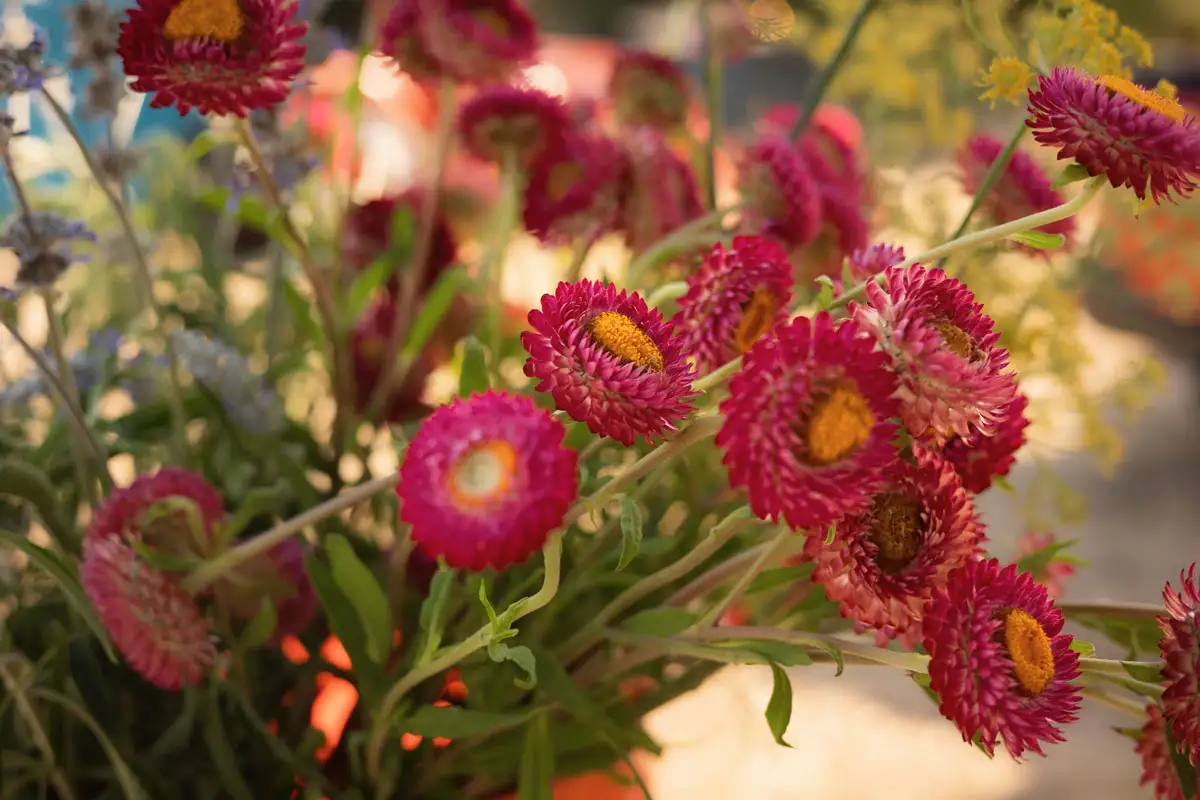
2026 Open House
Join Us for Our Warehouse Open House! Sunday, April 19th Spring is in full bloom, and we can’t wait to…

Now Growing Beyond Southern California
We’re excited to announce that our seeds are now available at more retail locations across California—so your garden can thrive…
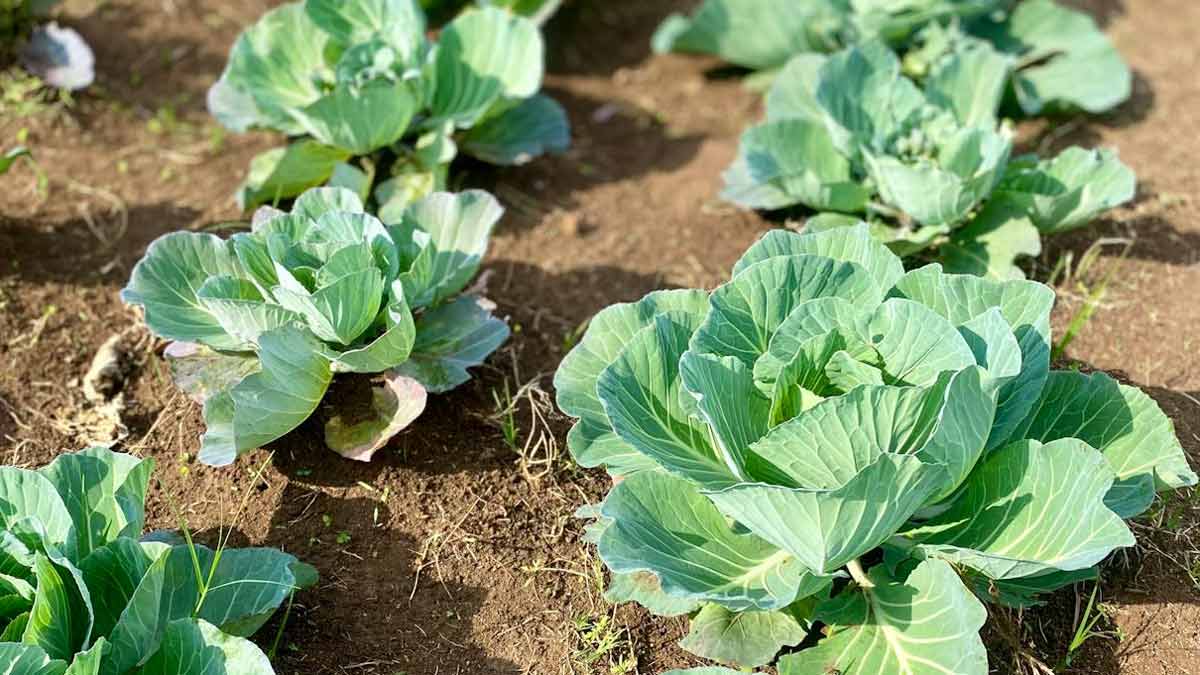
Planting in Succession
Planting in Succession: A Gardener’s Guide Planting in succession is a powerful technique for keeping garden beds full and harvesting…

Fall Vegetable Planting in Zones 9/10
How to Master Fall Vegetable Planting in Zones 9/10 Fall vegetable planting in Zones 9/10 can be a difficult and…
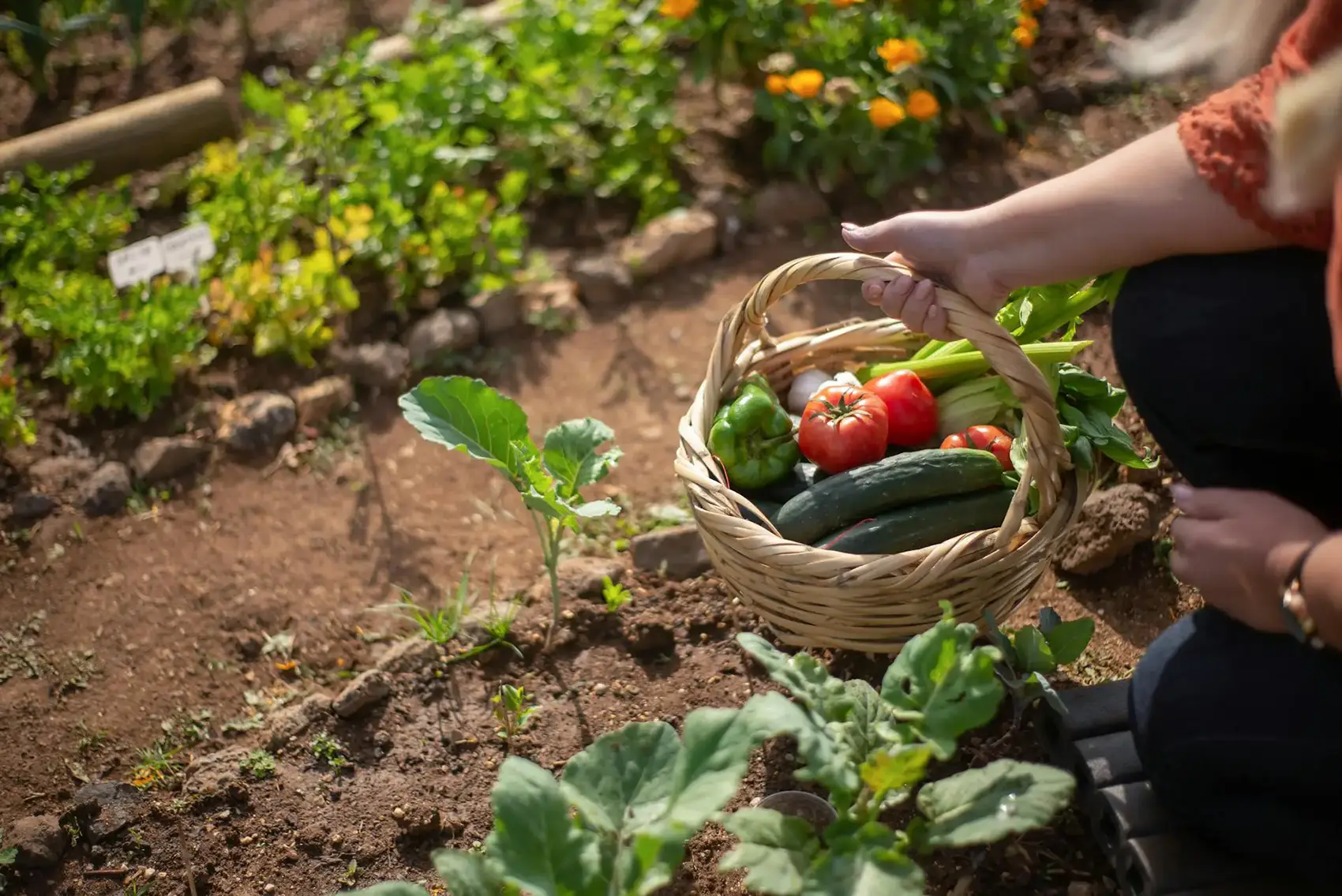
Coastal Gardening: Tips for Growing in Zone 10’s Microclimates
Zone 9 and 10 are incredibly diverse growing regions, especially along California’s coast, where unique microclimates challenge even experienced gardeners.…

How to Grow Melons from Seed
Learning to grow melons from seed is one of the most rewarding gardening skills. It opens aworld of delicious flavors…