
Share this Post
How to Plant Dahlia Tubers
Knowing how to plant dahlia tubers can be confusing for new growers. Tubers come in many shapes and sizes, making it hard for a new grower to know what to plant. This blog will help you demystify dahlias to help you confidently plant a healthy tuber and, in turn, guarantee dahlia blooms in your garden.

How to Choose a Dahlia Tuber
When shopping for dahlias, an online search will bring up many different sites selling dahlias in different forms. Dahlias can be grown from seed, from propagated tuber cuttings, or from a mass of roots formed during the second year of a tuber’s growth.
A key consideration when ordering is that the only way to guarantee your blooms will be true to type is by planting a tuber or mass of roots directly from the mother plant. Although it can be more economical to plant dahlias from seed, your dahlias will not grow true to type, varying widely in color, shape, and size.
As you choose which method you’re using to plant your dahlias, remember that it’s a common misconception that the larger the tuber, the larger the plant will be — this is not true. A smaller tuber that is healthy and vigorous can produce just as large a plant as a dahlia root mass.
How to Plant a Dahlia Tuber
The most important part of learning how to plant dahlias is ensuring your tubers have a body, neck, and eyes. These three parts are essential to create sprouts that will grow into your plant and give blooms throughout the season. It does take some practice seeing the eyes, especially on completely dormant tubers that have not begun to sprout.
For the novice grower, it’s easy enough to assume that a neck on the dahlia tuber or clump will likely produce one or multiple eyes needed to give you a plant.

When planting your dahlia tubers or clumps, you must plant the body into the soil. In our experience, you can cover the neck fully without lessening or slowing down the sprouts from forming from the eyes. The drawback of planting too deeply is being unable to see the eyes sprout as quickly, since they have to grow through the soil before popping out the top.
Depending on your dahlia varieties, some will sprout more quickly than others. As a general rule of thumb, most dahlia tubers sprout between two to three weeks from being planted in warm spring weather. Temperatures above 65°F will awaken your tubers and start the sprouting process. As with any growing season, there are many things to learn and take away to improve the next season – take a look at our 2023 Dahlia tuber season findings and takeaways for more insight!
How to Care for Dahlias
Once your dahlias have sprouted, you must watch for slugs and snails that love them! A quick and easy application of Sluggo Plus will deter these pests while your plants can get established, after which the threat of slugs and snails diminishes.

As your new dahlia plants grow and have at least 2–4 sets of leaves, don’t forget to pinch the top of the center stalk for more robust growth. Doing this will send up lateral shoots that end in flower buds. Be sure to trellis or net your dahlia plants to prevent the weight of the blooms from causing breakage. If adding stakes to the ground for trellising, do this at the time of planting so that you don’t accidentally damage your tubers.
Dahlia flowers need lots of fertilizer to be prolific blooms. Add Darn Good Fertilizer at the time of planting and regular applications of a liquid fertilizer like our Fish and Guano. During the blooming period of mid-summer and on, you should fertilize with a high potash fertilizer to encourage the biggest blooms.
Shop all of our dahlia varieties:
Products
-
 Pooh Swan Island Dahlia Bulbs
$15.99
Pooh Swan Island Dahlia Bulbs
$15.99
-
Hollyhill Spiderwoman Dahlia Bulbs
$15.99
-
Jowey Julie Dahlia Bulbs
$15.99


You May Also Like —
2026 Open House
Join Us for Our Warehouse Open House! Sunday, April 19th Spring is in full bloom, and we can’t wait to…

Now Growing Beyond Southern California
We’re excited to announce that our seeds are now available at more retail locations across California—so your garden can thrive…
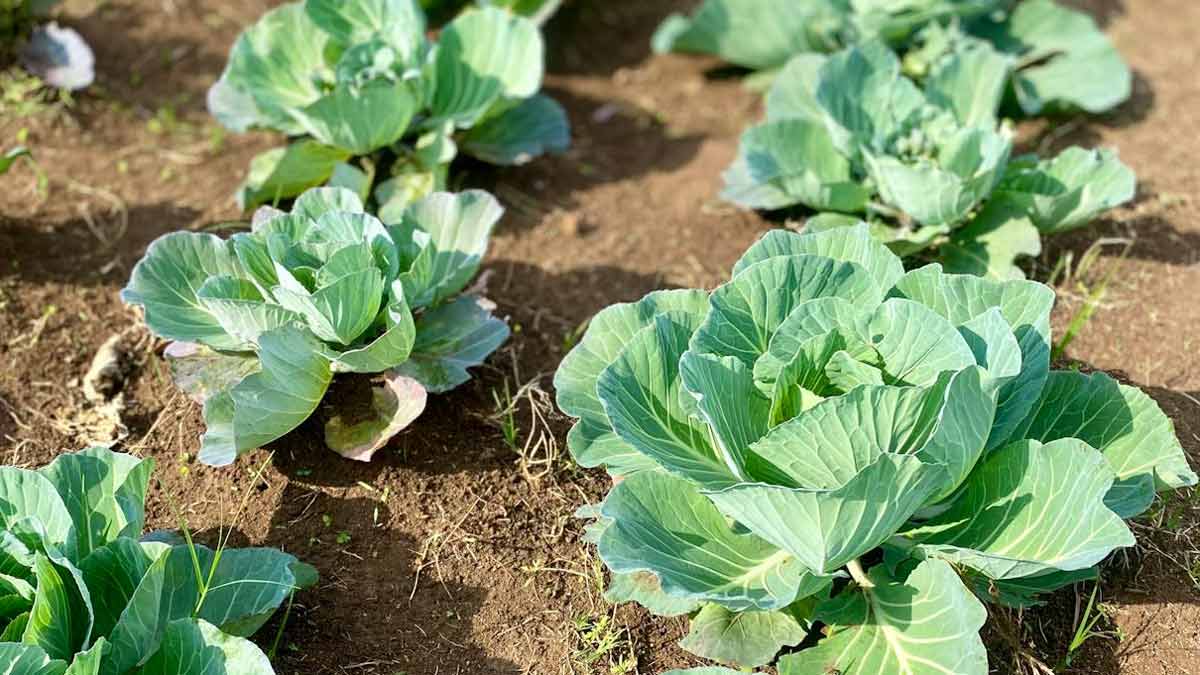
Planting in Succession
Planting in Succession: A Gardener’s Guide Planting in succession is a powerful technique for keeping garden beds full and harvesting…

Fall Vegetable Planting in Zones 9/10
How to Master Fall Vegetable Planting in Zones 9/10 Fall vegetable planting in Zones 9/10 can be a difficult and…
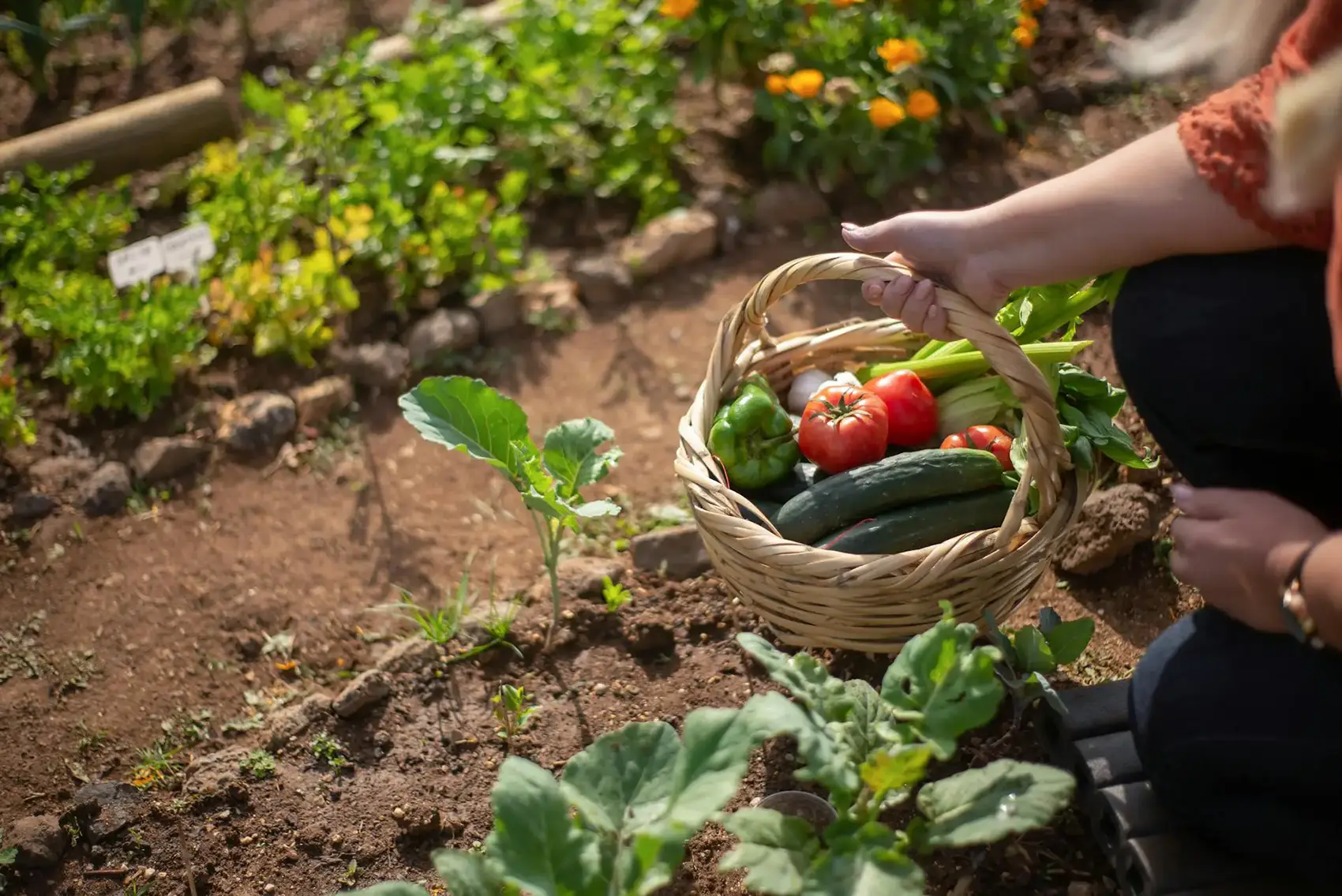
Coastal Gardening: Tips for Growing in Zone 10’s Microclimates
Zone 9 and 10 are incredibly diverse growing regions, especially along California’s coast, where unique microclimates challenge even experienced gardeners.…

How to Grow Melons from Seed
Learning to grow melons from seed is one of the most rewarding gardening skills. It opens aworld of delicious flavors…