
Organic Fatalii Naked Pepper Seeds

In stock
Product Information
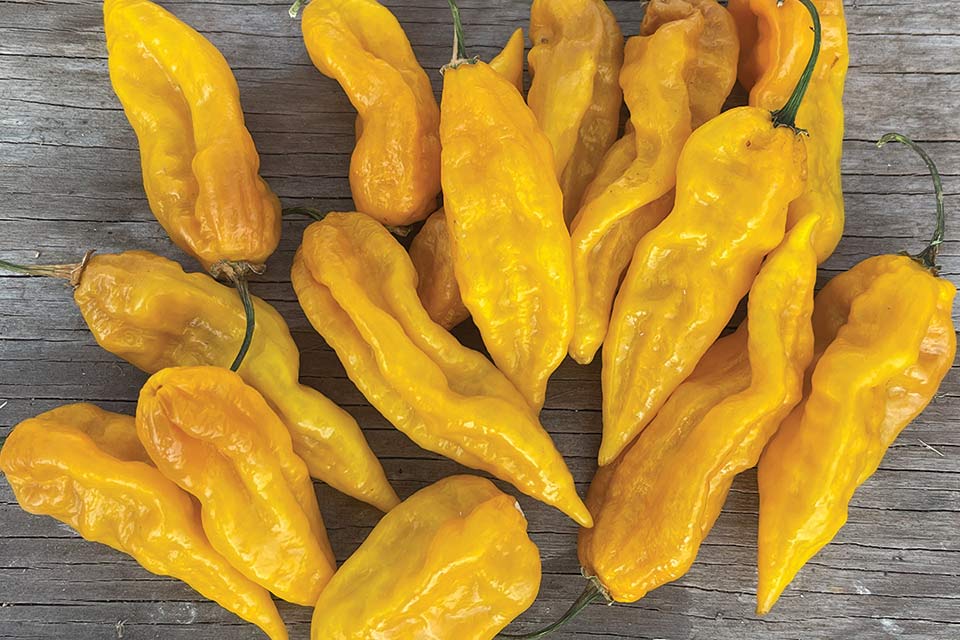
Fatalii Pepper ranks among the hottest chili peppers produced on our certified organic seed farm. It ranges from 125,000–400,000 units on the Scoville scale. In comparison, a jalapeño pepper measures in at 2,500–8,000 SHU. The name Fatalii might as well be a warning of its immediate sting!
Enjoy Fatalii Pepper in many dishes; use it to flavor hot sauce, sauces, jelly, home brews, and more! Fatalii Pepper is a Habanero-type pepper with fruits up to 3″ long. These heirloom yellow chili peppers hail from the Central African Republic and have a sweet, citrusy flavor profile. Plants grow well in warm climates.
The Origin Story of Naked Seeds
On a scorching autumn day at the Ramona farm, I found myself clad in a full-body suit, chemical-grade gloves, and a commercial-grade respirator. My mission: processing some of the planet’s spiciest peppers. These rare peppers have incredible flavor, AND they’re high Scoville units, which means when you’re processing hundreds of them, you’re basically making mace. They can be extremely irritating to the skin, the eyes, the nose, and the throat. If you’re not being cautious and wearing protective gear, it can send you straight to the hospital.
While processing seeds, with sweat trickling down the inside of my goggles, a revelation struck me. Why subject myself to hazardous conditions, stripping away the best part of the pepper for our customers? Traditional seed processing discards the flavorful and fragrant pepper skins for which the pepper is prized. As a sustainable farm, it was one more way we could reduce waste. Right there and then, Naked Seeds were born!
The advantages of Naked Seeds are numerous. By offering seeds dried at controlled temperatures, we can preserve the peppers’ amazing flavor for cooking and provide seeds to plant in the garden. This also helps keep the price of our extremely hot pepper seeds down as it considerably reduces labor. The other wonderful thing about naked seeds is that they reduce water waste. Processing one ounce of pepper seeds with traditional methods takes more than 100 gallons of water!
By ordering Naked Seeds, you get amazingly flavored peppers bursting with flavor for cooking and planting.
Wondering How to Use Naked Seeds? Your peppers will arrive as dried peppers, similar to what you find at the grocery store. But these peppers have been meticulously dried at controlled temperatures to safeguard the seeds inside. If you’ve attempted to germinate store-bought dried chili seeds to no avail, chances are they were dried at a much higher temperature than seed embryos can withstand, causing them to dry up.
Each packaged order includes five dried peppers. Inside each dried pepper are 15–30 seeds. Store out of direct sunlight until ready to use.
Upon receiving your pepper seeds, don your gloves, slice open the peppers, and extract the seeds. These pepper seeds are ready for immediate planting or save them for future seasons. Some immature seeds may be present, but only the firm and non-pliable ones are viable for planting. When in doubt, plant more than you need!
Warning: Wear rubber gloves and take precautions to protect your eyes, nose, and mouth when handling.
Don’t toss the pepper skins! Use the pepper skins like you would in any recipe. Our Naked Seed collection includes some of the hottest peppers you can get, so don’t add too many to your recipe, or you might regret it!
Two Naked Pepper Varieties
Organic 7 Pot Lava Pepper Naked Seeds
Organic Fatalii Pepper Naked Seeds
Planting Peppers by Zones
Zones 9-10
- Peppers are a warm-season crop in Zones 9 and 10. You can plant them in the spring through late summer. Many pepper plants can perennialize in Zones 9 and 10, but their production will diminish drastically.
Zones 2-8
- Start inside eight weeks before the last frost. Use a heating pad to ensure good germination rates.
Planting Fatalii Pepper Seeds
- In Zones 9 and 10, you can direct seed or transplant out your pepper seeds. We recommend you start them in early spring in starter pots and transplant them out.
- Peppers need warm soil to germinate. If you are starting them in starter pots, a heating pad will speed up the germination process. If you are planting outside, make sure the soil is at least 80°F.
- To direct sow, plant seeds in debris-free, well-worked soil that has been deeply watered. Cover with 1/4″ of finely sifted soil. The minimum temperatures at night should be no less than 60°F.
- If you are planting seeds in starter pots, plant seeds into thoroughly moist high-quality seed starting soil. Place seeds on the top of the soil and cover with 1/4″ of finely sifted soil.
- Once your seeds have germinated and are 1-2″ tall, fertilize with an organic liquid fertilizer. When the plants are 3-4″ tall, you can plant them out into the garden.
- Space plants at least 12″ apart.
Growing Fatalii Peppers
- Peppers are easy to grow once you get them established.
- Mulching heavily around your peppers will help with weed suppression and moisture retention.
Harvesting Fatalii Peppers
- Harvest peppers often to encourage more production. Cut fruits from their stems; do not pull.
Growing Peppers in Containers
- Peppers make excellent container plants. Make sure your container is at least 20″ deep and provide support for the plants to grow up. Keep in mind containers will dry out faster because they have more surface area and less soil to hold onto moisture. Mulch heavily on the top layer of soil in the pot to keep the soil from drying out or heating up too much.
Southern California Pro-tips.
- Mulch heavily around your plants to ensure the soil does not dry out or heat up too much.
- When growing bell peppers, using shade cloth can help diminish sun scald that can scar the peppers’ skin.
Companion Flowers/Crops
- Interplanting flowers with your peppers will make your garden beautiful and reduce pest issues. Marigolds look stunning when interplanted with pepper plants. You can also grow zinnias, cosmos, and cornflower.
Additional Learning Resources
- New to starting crops from seeds? Please watch our Seed Starting Presentation to learn the basics!
- Learn about growing all our crops on our YouTube page!
- Having pest issues? Check out in-depth information for pests that can be an issue to peppers at the UC Integrated Pest Management site.
Reviews
There are no reviews yet.