
Mini Yellow Sweet Bell Pepper Seeds

Out of stock
Don't miss out! Sign up to be notified when this product is back in stock!
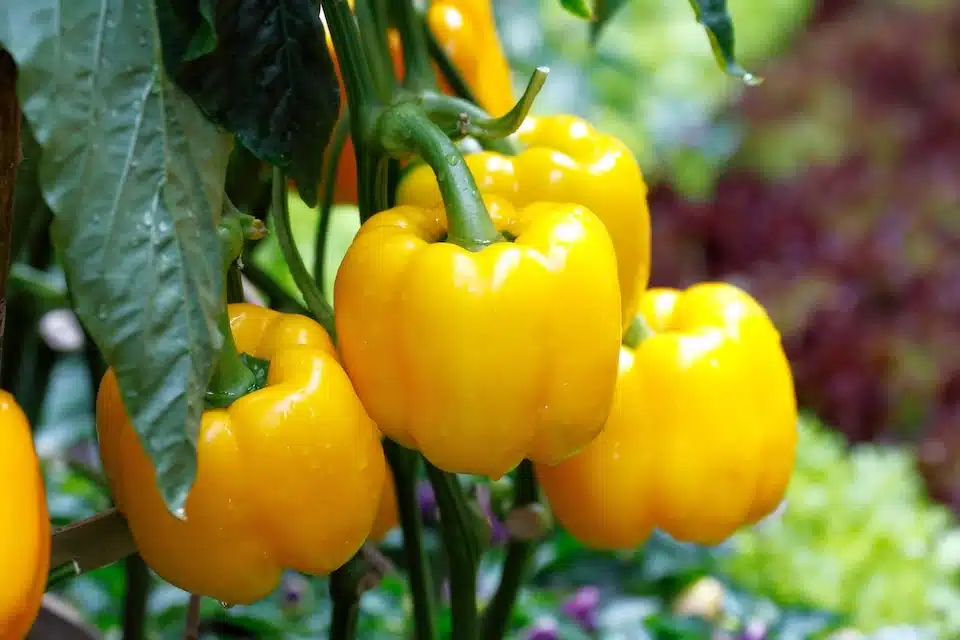
Sweet Mini Yellow Bell Peppers combine everything we love about bell peppers into a fun, snack-sized package. Their crisp texture, vibrant golden color, and naturally sweet flavor make them perfect for harvesting straight from the garden and enjoying fresh. Kids love their bite-sized size, while gardeners appreciate the plants’ incredible productivity and long harvest season.
Perfect for fresh snacking, roasting whole, stuffing with cheese, adding to salads, or serving on vegetable trays, these cheerful little peppers bring beauty and flavor to every meal. Their compact growth habit, dependable yields, and outstanding performance in Southern California gardens make Sweet Mini Yellow Bell Pepper an excellent addition to any warm-season vegetable garden.
Product Information
Sweet Mini Yellow Bell Pepper (Capsicum annuum) is a prolific heirloom-style sweet pepper that produces an abundance of sunny yellow, snack-sized bell peppers packed with crisp texture and deliciously sweet flavor. These miniature peppers mature from green to vibrant golden yellow and are perfect for fresh eating, stuffing, roasting, grilling, or adding colorful crunch to salads and lunchboxes.
Compact yet highly productive plants thrive in warm weather and produce dozens of uniform fruits over a long harvest season. Their manageable size makes them an excellent choice for raised beds, in-ground gardens, and large containers, while their sweet flavor makes them a favorite with both children and adults.
Planting by Zones
Zones 9-10
- Start seeds indoors 8–10 weeks before your desired transplant date.
- Transplant outdoors once nighttime temperatures consistently remain above 55°F.
- Sweet peppers thrive throughout Southern California’s warm growing season.
- Succession plant every 4–6 weeks through early summer for extended harvests.
Zones 2-8
- Start seeds indoors 8–10 weeks before your final frost.
- Transplant outdoors only after all danger of frost has passed and soil temperatures have warmed above 65°F.
- Choose a sunny location that receives at least 8 hours of direct sunlight daily.
Planting Pepper Seeds
- Sow seeds 1/4″ deep in a high-quality seed-starting mix.
- Maintain soil temperatures between 75–85°F for the fastest and most reliable germination.
- Keep soil consistently moist but never saturated.
- Fertilize seedlings with an organic liquid fertilizer after the first true leaves appear.
- Transplant seedlings when they are 6–8 weeks old and space plants 18–24″ apart.
Growing Peppers
- Sweet Mini Yellow Bell Peppers perform best in full sun and fertile, well-draining soil rich in organic matter.
- Water deeply and consistently to promote healthy growth and prevent blossom end rot.
- Feed regularly with an organic vegetable fertilizer throughout the growing season.
- Support heavily loaded plants with stakes or cages if needed.
- Harvest frequently to encourage continuous flowering and fruit production.
Succession Planting Peppers
- Southern California gardeners can start a second crop in late spring or early summer for harvests extending into fall.
- Staggering plantings allows for a continuous supply of fresh peppers throughout the season.
Growing Peppers in Containers
- These compact plants are ideal for container gardening.
- Use containers that hold at least 5–10 gallons of soil with excellent drainage.
- Fill with a premium potting mix and fertilize regularly throughout the season.
- Container-grown peppers require more frequent watering during hot weather.
Harvesting Peppers
- Harvest peppers when they have fully developed their bright golden-yellow color for maximum sweetness.
- Fruits can also be harvested green if desired, but allowing them to fully ripen results in the sweetest flavor.
- Use clean pruners or scissors to harvest peppers without damaging the plant.
- Frequent harvesting encourages plants to continue producing throughout the season.
Southern California Pro-tips
- Peppers absolutely thrive in Southern California’s long, warm growing season.
- Mulch around plants to conserve moisture and regulate soil temperatures.
- During periods of extreme heat, provide consistent irrigation to prevent blossom drop.
- Feed plants regularly once flowering begins to maximize fruit production.
- Harvest often to keep plants productive well into fall.
Companion Flowers/Crops
- Interplanting flowers with your peppers will make your garden beautiful and reduce pest issues. Marigolds look stunning when interplanted with pepper plants. You can also grow zinnias, cosmos, and cornflower.
Additional Learning Resources
- New to starting crops from seeds? Please watch our Seed Starting Presentation to learn the basics!
- Learn about growing all our crops on our YouTube page!
- Having pest issues? Check out in-depth information for pests that can be an issue to peppers at the UC Integrated Pest Management site.
Reviews
There are no reviews yet.