
Butterfly Milkweed Seeds
| Quantity | Discount (%) |
|---|---|
| 5+ | 20% |
| 10+ | 25% |
| 20+ | 30% |
In stock
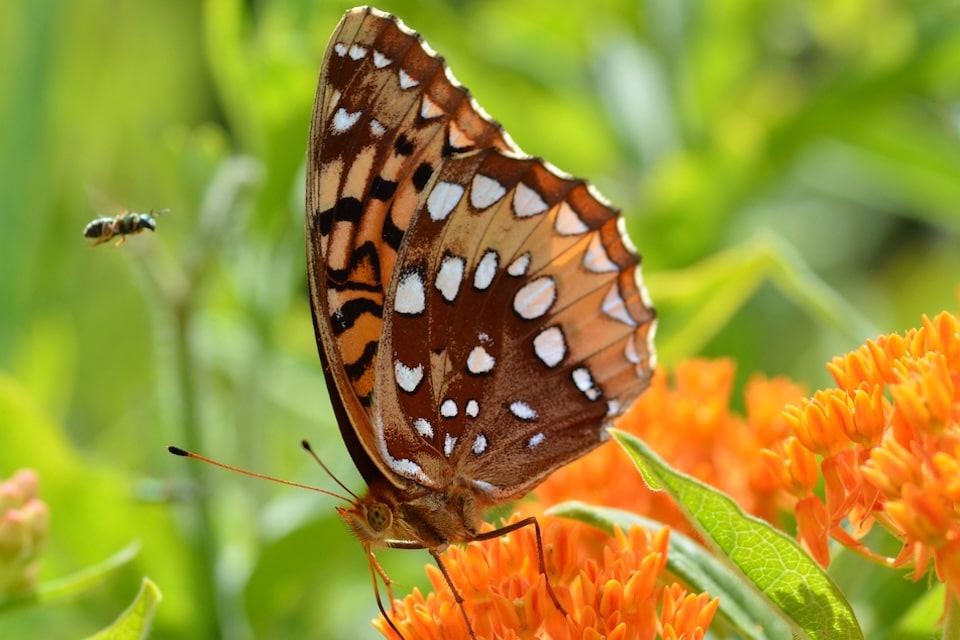
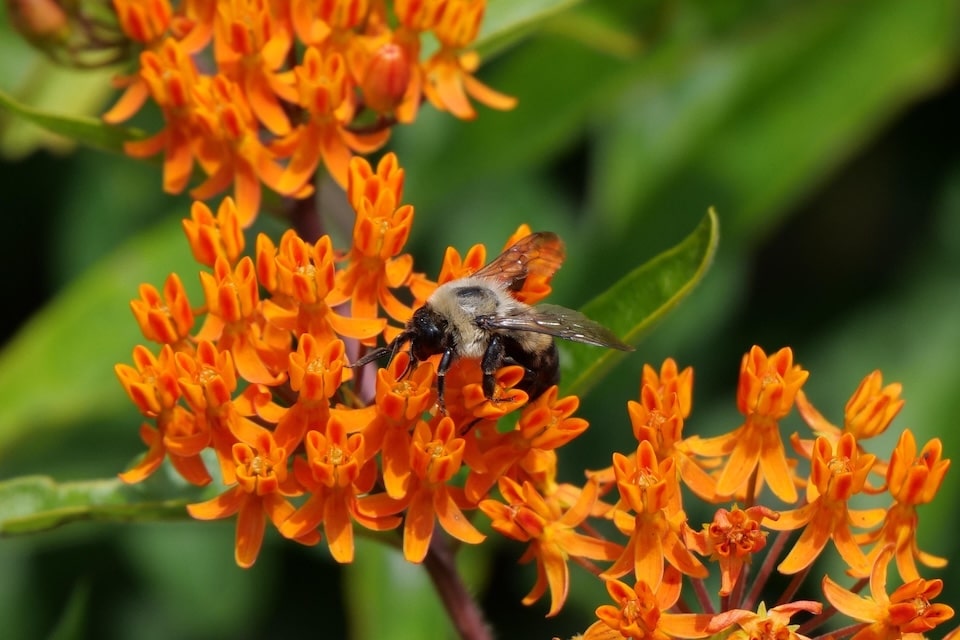
Butterfly Milkweed (aka butterfly weed), is a drought-tolerant perennial prized for its clusters of rich orange blooms that attract butterflies and other pollinators.

Product Information
Butterfly Milkweed, also known as butterfly weed, is a drought-tolerant perennial prized for its clusters of rich orange to reddish blooms that attract butterflies and other pollinators. Native to much of North America, it’s an excellent, ecologically beneficial alternative to tropical milkweed. For best results, sow seeds from late fall through mid-winter. Germination improves significantly after about 30 days of cold, moist stratification, which helps break seed dormancy. This can occur naturally outdoors or be simulated using a refrigerator method.
Planting by Zones
Zones 9-10
- Plant seeds during the cool season of Zones 9 and 10. Flowers bloom in the summer but may not bloom until the second or third year. Native across much of the U.S., including Arizona and Florida.
Zones 2-8
- Butterfly milkweed is a perennial flower native across much of the U.S. Plant in the spring after the danger of frost is gone.
Planting Milkweed Seeds
- Direct seed or transplant. Butterfly milkweed germinates best with about 30 days of cold, moist stratification to break seed dormancy. This can occur naturally outdoors or be simulated using a refrigerator method.
- To direct sow, plant seeds in debris-free, well-worked soil that has been deeply watered. Cover with 1/8″ of finely sifted soil. Plant in well-drained soils.
- If you are planting seeds in starter pots, plant seeds into thoroughly moist high-quality seed starting soil. Place seeds on top of the soil and cover with 1/8″ of finely sifted soil.
- Plant in a full sun to partial shade location. Space plants at least 12″ apart. Plants grow 2–3′ tall.
Growing Milkweed
- Butterfly milkweed plants are drought-tolerant and require little care once they are established.
- Mulching heavily around your plants will help with weed suppression and moisture retention.
- Be sure to plant enough Butterfly milkweed to sustain the monarchs! Monarch butterflies lay eggs on the plant in early spring. Once hatched, the caterpillars consume huge portions of milkweed as they prepare for adulthood.
Growing Milkweed in Containers
- Butterfly milkweed does best when planted in-ground. After dying back in winter, potted plants do not re-emerge in spring, as do in-ground plants. Keep in mind containers will dry out faster because they have more surface area and less soil to hold onto moisture.
Harvesting Milkweed Flowers
- Allow milkweed to stay in the garden! It is loved by butterflies, bees, and other pollinators. It is most commonly grown as a native host plant for monarch butterflies. Butterfly milkweed will naturally die back in the winter to re-emerge in spring.
Southern California Pro-tips
- Butterfly milkweed does well in most types of dry to moist soils. This milkweed will naturally die back in the winter to re-emerge in spring.
- Support the monarch population by planting common milkweed!
Companion Flowers/Crops
- Butterfly milkweed is a wonderful addition to pollinator gardens. We suggest planting with other drought-tolerant flowers like California Bluebell, Desert Bee Plant, Golden Yarrow, Blue Sage, Scarlet Sage, or those found in our Southwest Wildflower and Butterfly Garden mixes.
Additional Learning Resources
- New to starting crops from seeds? Please watch our Seed Starting Presentation to learn the basics!
- Learn about growing all our crops on our YouTube page!
- Having pest issues? Check out in-depth information on garden pests at the UC Integrated Pest Management site.
If you are looking to attract pollinators to your garden check out our Narrowleaf Milkweed, Common Milkweed, Showy Milkweed, Butterfly mix, and Southwest Mix!
See our Garden Wisdom Blog article, Planting Milkweed Seeds, for more milkweed growing tips.
Reviews
There are no reviews yet.